Chivas USA’s last goal came from a rebound. Erick “Cubo” Torres hit the post against San Jose, Félix Borja followed up, and the club finished its 2014 season with a 1–0 win. The next day, Major League Soccer shut it down.
The team had entered Major League Soccer in 2005 carrying the name of Guadalajara, whose history included a rivalry with Club América that divided Mexican football. In California, Chivas USA spent all 10 seasons sharing the Galaxy’s stadium in Carson. It had an established name, but no separate permanent home.
A new club, not a rebrand
LAFC wasn’t simply that team in different shirts. Major League Soccer initially proposed a rebrand when it bought Chivas USA in February 2014. Instead, it closed the club that October, announced a new franchise and ownership group three days later, and dispersed the old playing roster. LAFC began competing in 2018 with its own record to establish.
Nor had Chivas USA spent its entire existence losing. It reached four consecutive postseasons from 2006 through 2009, finishing first in the Western Conference’s 2007 regular-season standings under Preki. Brad Guzan won that year’s Major League Soccer Goalkeeper of the Year award. The Galaxy missed the playoffs in 2006, 2007 and 2008 while its stadium-sharing rival qualified.
Five straight seasons without a playoff appearance followed. When Major League Soccer intervened in 2014, commissioner Don Garber identified problems with the brand, stadium investment and ownership commitment, while acknowledging mistakes by the league itself. “It’s not a market issue, it’s an execution issue,” he said. The league was abandoning one organization, not its belief that Los Angeles could support a second club.
A home of its own
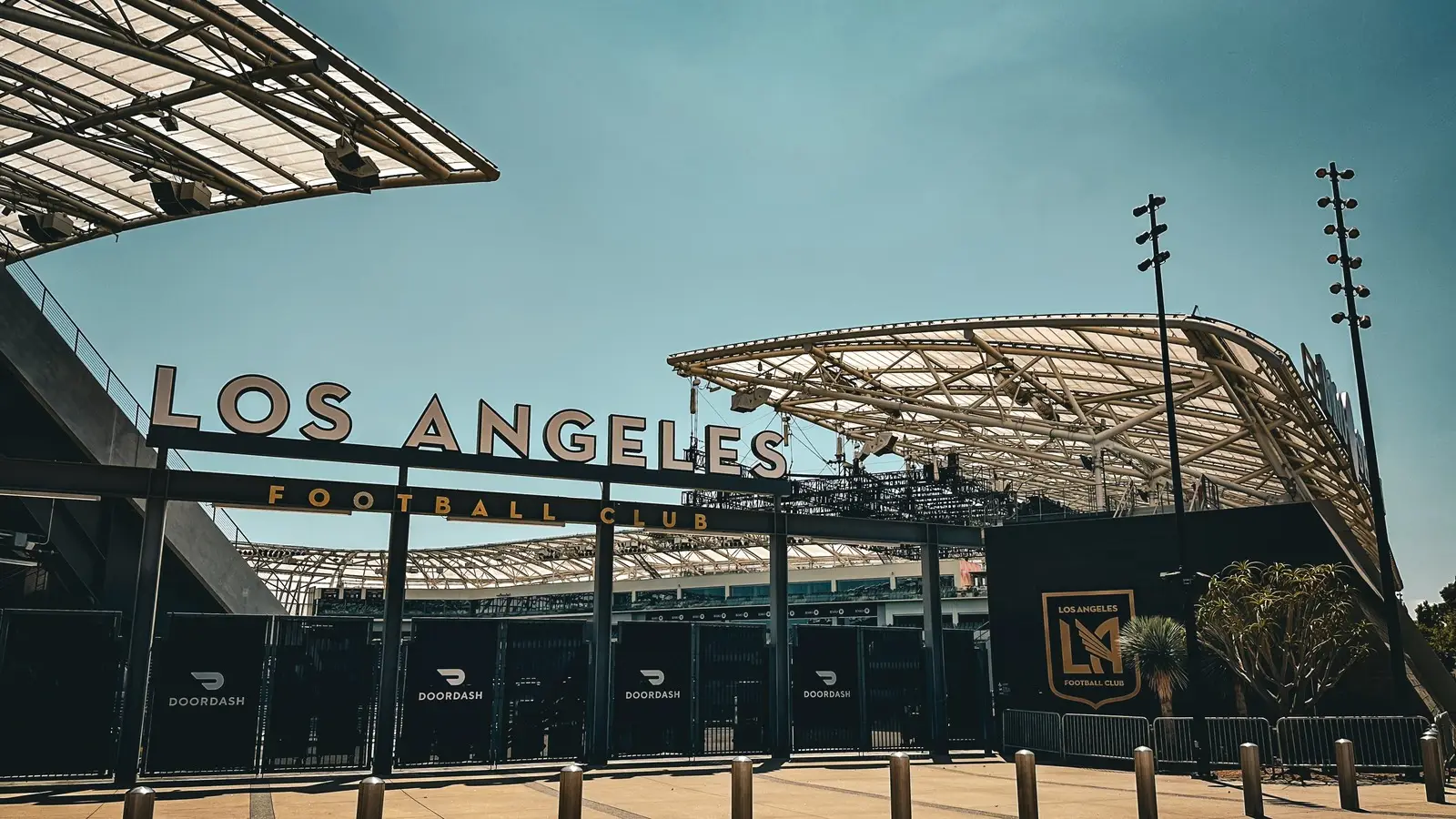
LAFC’s new ownership group, led at its launch by Henry Nguyen, Peter Guber and Tom Penn, eventually delivered a $350 million, privately funded stadium. The 22,000-seat venue opened in 2018 on the former Los Angeles Memorial Sports Arena site in Exposition Park. A dedicated home gave the club something Chivas USA had spent a decade without.
The city-centered name and black and gold identity made the separation visible. But it wasn’t developed entirely behind closed doors. Early town halls brought prospective supporters into discussions about names and colors before LAFC had played a senior match.
The people who outlasted Chivas USA
Some of those supporters had already spent years following Chivas USA. Black Army 1850 joined the new project, as did District 9 Ultras, whose roots lay in the Union Ultras. They took their place alongside groups with different beginnings, including supporters who had gathered around English football and others formed specifically for LAFC. A new club didn’t require every relationship around it to be new.
Supporters met the stadium’s architects and discussed entrances, banner infrastructure and the north-end bar. When a dedicated entrance and bar were discussed, fans wanted them accessible to other supporters too, rather than reserved exclusively for their groups. They were helping decide how newcomers would enter the club’s social life. That process became part of a wider story about how Hispanic supporters are reshaping American soccer.
Ulises Sanchez, a Black Army founder, put it personally in a 2016 interview with Urban Pitch: “After the death of Chivas USA, personally for me, LAFC is the rebirth of what I always wanted.”
There were familiar people on the football side too. Bob Bradley, who had taken Chivas USA into the playoffs for the first time in 2006, became LAFC’s first head coach. Ante Razov, a striker in Bradley’s Chivas team, joined his inaugural coaching staff. LAFC was willing to draw on experience from an organization the league had closed.
Mexican identity without the old limits
Breaking with the Chivas brand didn’t mean turning away from Mexican football. Carlos Vela became LAFC’s first player in August 2017. A Mexican international could lead a Los Angeles club without that club being an extension of Guadalajara. The distinction left room for supporters with different allegiances elsewhere to share the same local team.
Vela scored 34 regular-season goals and won Major League Soccer’s Most Valuable Player award in 2019. Bradley’s team collected the Supporters’ Shield for finishing first overall, in only LAFC’s second playing season.
Under Steve Cherundolo, the club won another Shield in 2022 and its first Major League Soccer Cup. Gareth Bale’s equalizer eight minutes into stoppage time at the end of extra time forced a shootout against Philadelphia. John McCarthy saved two penalties, and LAFC won the shootout 3–0 after a 3–3 draw.
Where the histories meet
That championship belonged to LAFC, not retrospectively to Chivas USA. Yet the connections between the clubs continued to surface. Mark Delgado, who had signed a Chivas USA Homegrown contract at 16, joined LAFC in 2025 after spells with Toronto and the Galaxy. His route had included the dispersal draft that followed Chivas USA’s closure. More than a decade separated the closure of his first club from his arrival at LAFC.
LAFC’s success didn’t erase the loss of Chivas USA or require every former supporter to embrace a replacement. The club’s history starts with a new franchise. Some of its supporters’ histories start somewhere else.