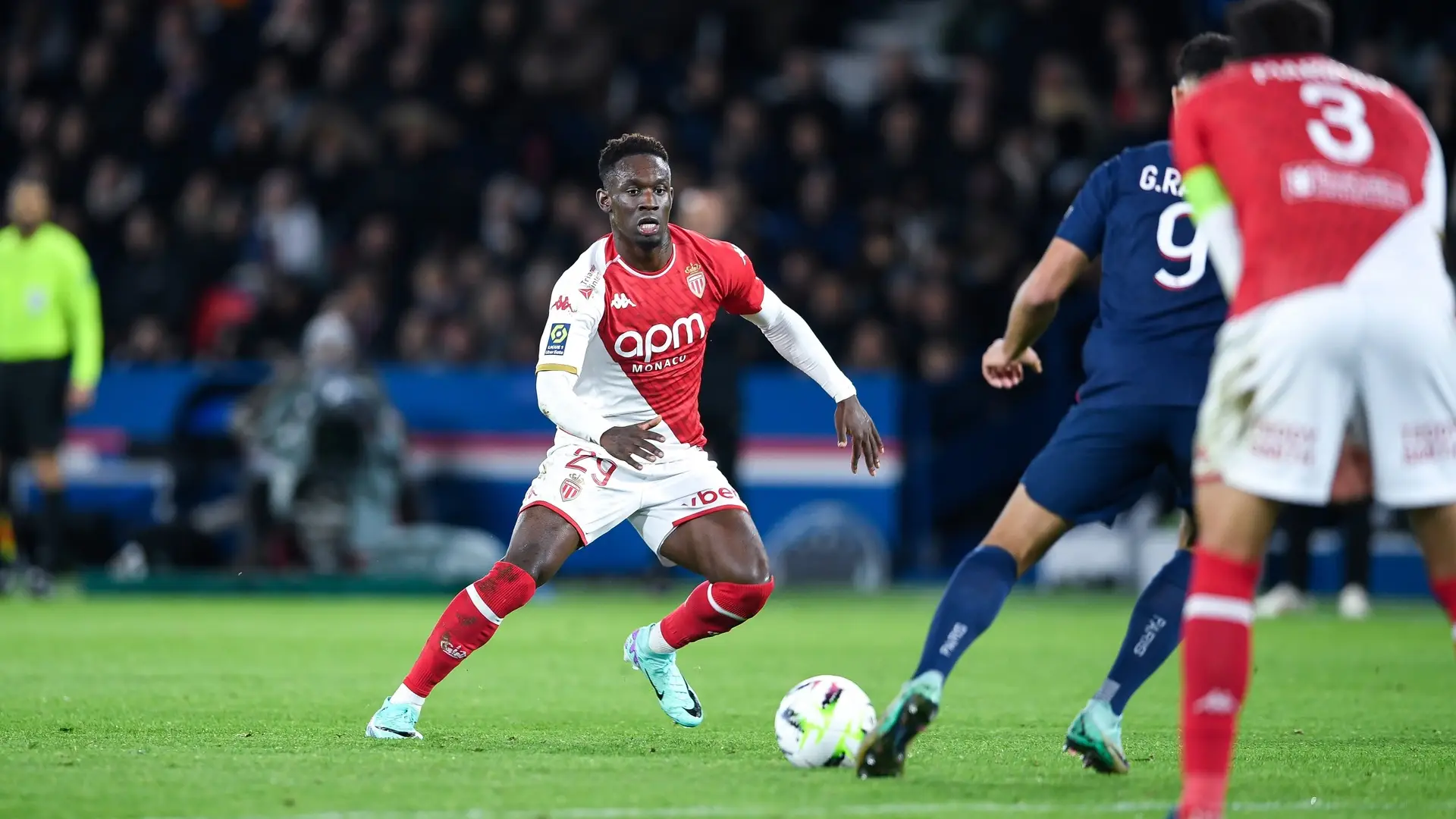
Folarin Balogun’s Everton transfer survived a medical dispute, a late renegotiation and the 11 p.m. deadline. It stopped at the one signature the clubs could not provide: his. Everton and Monaco had agreed a package reported at roughly $54 million before add-ons, then reworked the payment structure when Everton’s doctors raised concerns. Monaco executive Thiago Scuro said both clubs signed their agreement, but Balogun declined the long-term contract and left without completing the move.
The price reflected the season Everton thought it was buying. Balogun scored 19 goals in all competitions for Monaco in 2025-26, produced an eight-game Ligue 1 scoring streak and was voted the club’s player of the season. He then scored three times for the United States at the World Cup, including one of the best goals of the World Cup’s opening week. At 25, he offered production now without closing off future resale value. Stadio had identified him as part of the USMNT’s productive center-forward group before the tournament.
Everton’s medical changed the transaction without ending it. The club raised a concern, consulted additional specialists and returned to Monaco with different economics. Scuro said Monaco’s doctors and Balogun’s personal medical team saw no basis for concern about the player’s future. Everton has not disclosed the finding, and no reliable account has identified a diagnosis or even the part of the body involved. It wasn’t a conventional failed medical. Everton kept negotiating and remained prepared to sign him.
The revised proposal reportedly lowered the guaranteed payment and pushed more of the fee into appearance-related add-ons. Monaco accepted. Everton then submitted a Premier League deal sheet, which preserved extra time for the remaining documents but did not register Balogun or bind him to the move. International transfers also had to be entered in FIFA’s Transfer Matching System by midnight. A club-to-club agreement could therefore be finished while the player’s employment contract remained unsigned.
The move collapsed in that final gap. Scuro said Balogun became uncomfortable after Everton’s medical department raised questions about his health and future, and did not want to commit to a long contract under those circumstances. Everton hasn’t given a comparable public account of the final conversations. Everton’s concern forced new terms. Balogun’s decision ended the deal.
One transfer collapse reached four clubs
Everton was left with the immediate football problem. Beto had already been sold to Fiorentina, while loan approaches for Joshua Zirkzee and Tammy Abraham were rejected. Balogun’s withdrawal left Thierno Barry as David Moyes’ only recognized senior center forward until the winter window. Everton’s wider deadline included another Jack Grealish loan, following his first season-long Everton move, but it did not solve the shortage at center forward.
Monaco’s response opened a second deadline-day negotiation. When the Balogun sale looked endangered, the club agreed to sell Lamine Camara to Chelsea. Once Everton revived the Balogun deal, Monaco withdrew from the Camara transaction because it intended to sell only one of the two. Balogun then refused to sign, so Monaco kept both players and missed the income it had planned around. Chelsea was left without the midfielder it had lined up.
The chain then reached Cruz Azul. Monaco had an agreement for Mexico midfielder Erik Lira, but Balogun’s departure was needed to open a non-EU registration place. Once the Everton transfer disappeared, Lira’s route into Ligue 1 disappeared with it. The same medical dispute had now altered squad plans at Everton, Monaco, Chelsea and Cruz Azul.
Balogun remains a Monaco player, although the club is still exploring an exit in markets that remain open. Scuro said Monaco would sit down with him while leaving reintegration into the squad possible. Monaco still has a forward who scored 19 goals last season, but it also carries the financial and squad consequences of a sale that was supposed to be complete.
Deadline-day paperwork can make clubs look like the final authorities. This collapse exposed the limit. Everton could protect itself through appearance clauses, Monaco could sign a transfer agreement and the Premier League could grant more time. None of those steps could replace Balogun’s consent. The clubs found a way to repair the transaction. They could not repair the player’s confidence in it.