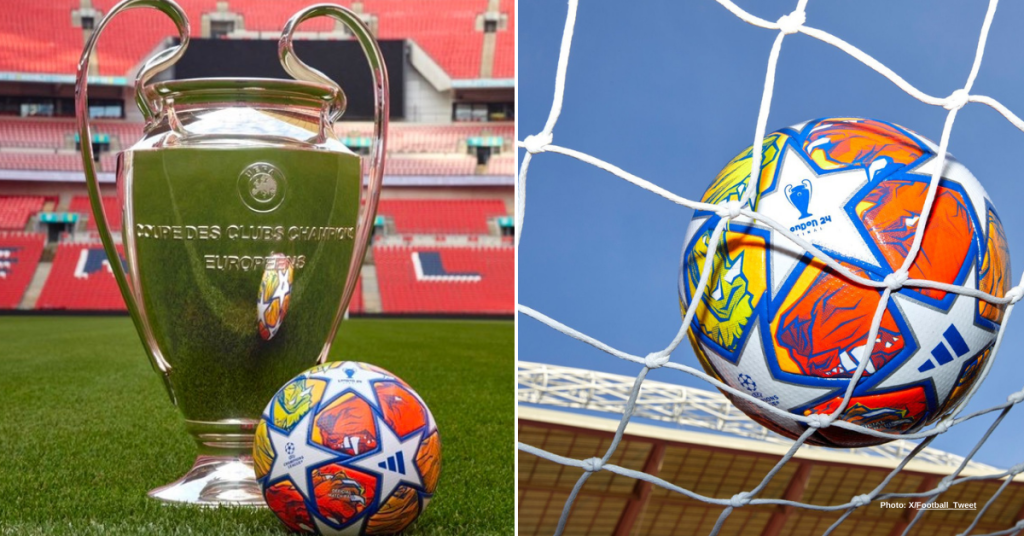
There are Champions League absences that read like statistics. Arsenal and Atlético Madrid’s read more like clocks. One stopped in Paris in 2006. The other stopped in Milan in 2016. Both clubs have since carried the outline of a final they reached but never won.
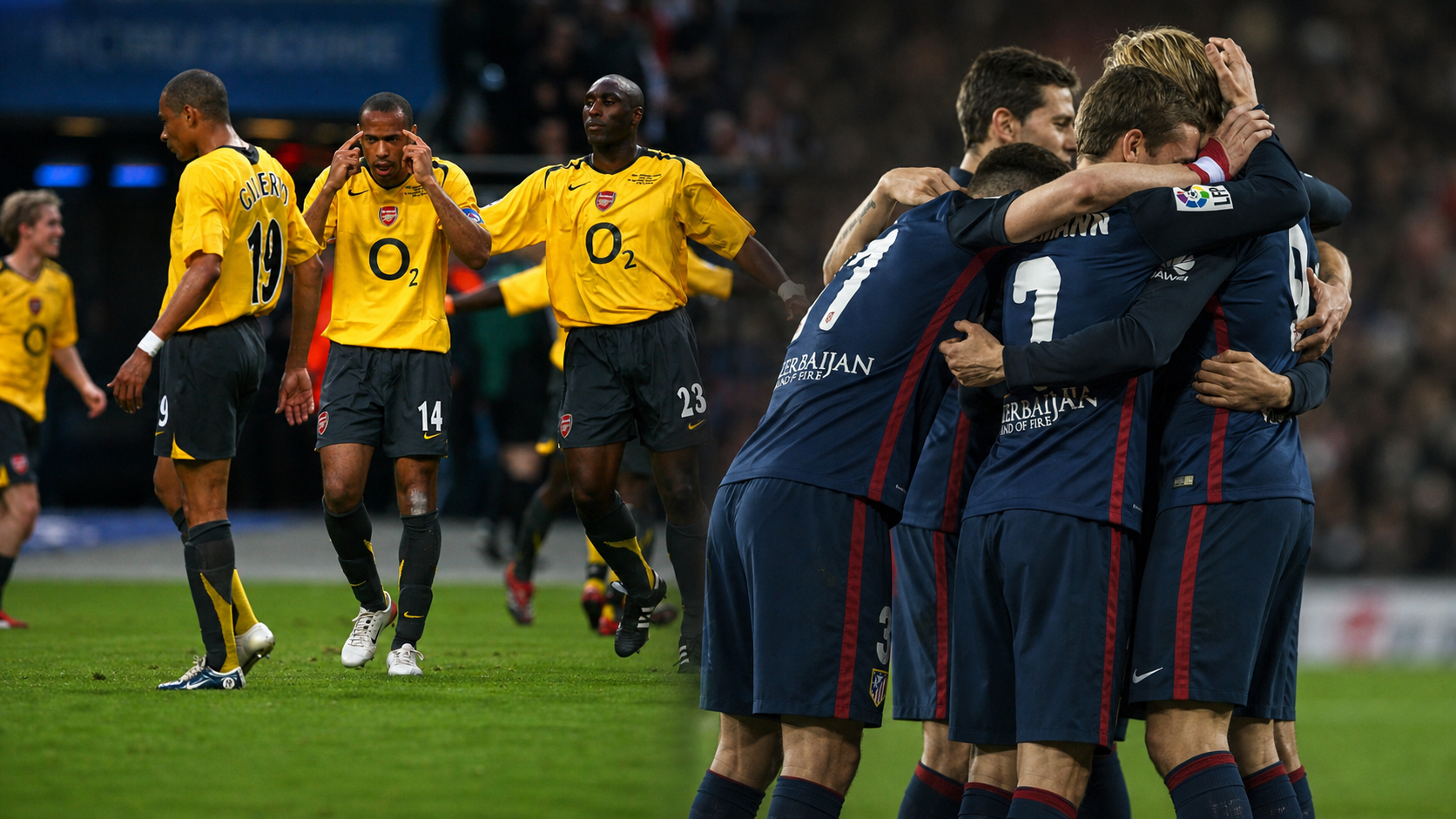
Arsenal’s last Champions League final came on May 17, 2006, against Barcelona at the Stade de France. Jens Lehmann was sent off in the 18th minute, making Arsenal’s task severe almost before the match had settled. Sol Campbell still gave them the lead in the 37th minute, a header that briefly made the night feel possible. Barcelona’s reply arrived late, through Samuel Eto’o and Juliano Belletti, and Arsenal lost 2-1.
That match also sat beside the end of another Arsenal era. Ten days earlier, the club had played its final game at Highbury, beating Wigan Athletic 4-2. Thierry Henry scored a hat trick. The move to the Emirates was no longer a future plan. It was the next chapter, waiting outside the door.
The world around Arsenal’s final now feels almost difficult to place. The iPhone had not been introduced. Instagram did not exist. Twitter had not yet launched publicly. Pluto had not yet been reclassified by the International Astronomical Union. The 2006 World Cup final, and Zinedine Zidane’s red card in Berlin, were still weeks away.
Atlético’s last final arrived a decade later, but it belongs to its own vanished moment. Diego Simeone had already taken the club to the final in 2014, when Real Madrid forced extra time in Lisbon and won 4-1. In 2016, Diego Simeone’s Atletico Madrid returned to the same stage against the same rival, this time at San Siro.
Two clocks inside one competition
Real Madrid led through Sergio Ramos. Atlético found its way back through Yannick Carrasco in the 79th minute. Griezmann had already hit the crossbar from a penalty early in the second half. After extra time, the match went to penalties. Juanfran struck the post with Atlético’s fourth kick. Ronaldo converted the next one, and Real Madrid won 5-3 in the shootout.
By then, football had already moved deep into the social-media age. But 2016 still came before some of the habits that now define how the sport is watched and clipped. Leicester City had just secured the Premier League title. The Brexit referendum would take place the next month. Pokémon GO would surge that summer. Rio 2016 was still ahead. Instagram Stories would not launch until August.
That gap gives the comparison its weight. Arsenal’s wait began before the smartphone era. Atlético’s began before football became a Stories-first experience. One final belongs to the end of Highbury and the pre-iPhone web. The other belongs to the Simeone years, San Siro, penalties, and the last stage of social media before short-form video became part of football’s daily grammar.
Arsenal and Atlético remain two of the defining <a href=”https://stadiounited.com/the-five-best-clubs-that-have-never-won-the-champions-league/”>clubs that have never won the Champions League</a>. Their last finals are not only sporting reference points. They are markers of how much the game, and the world around it, has changed since each club last stood one match from the trophy.