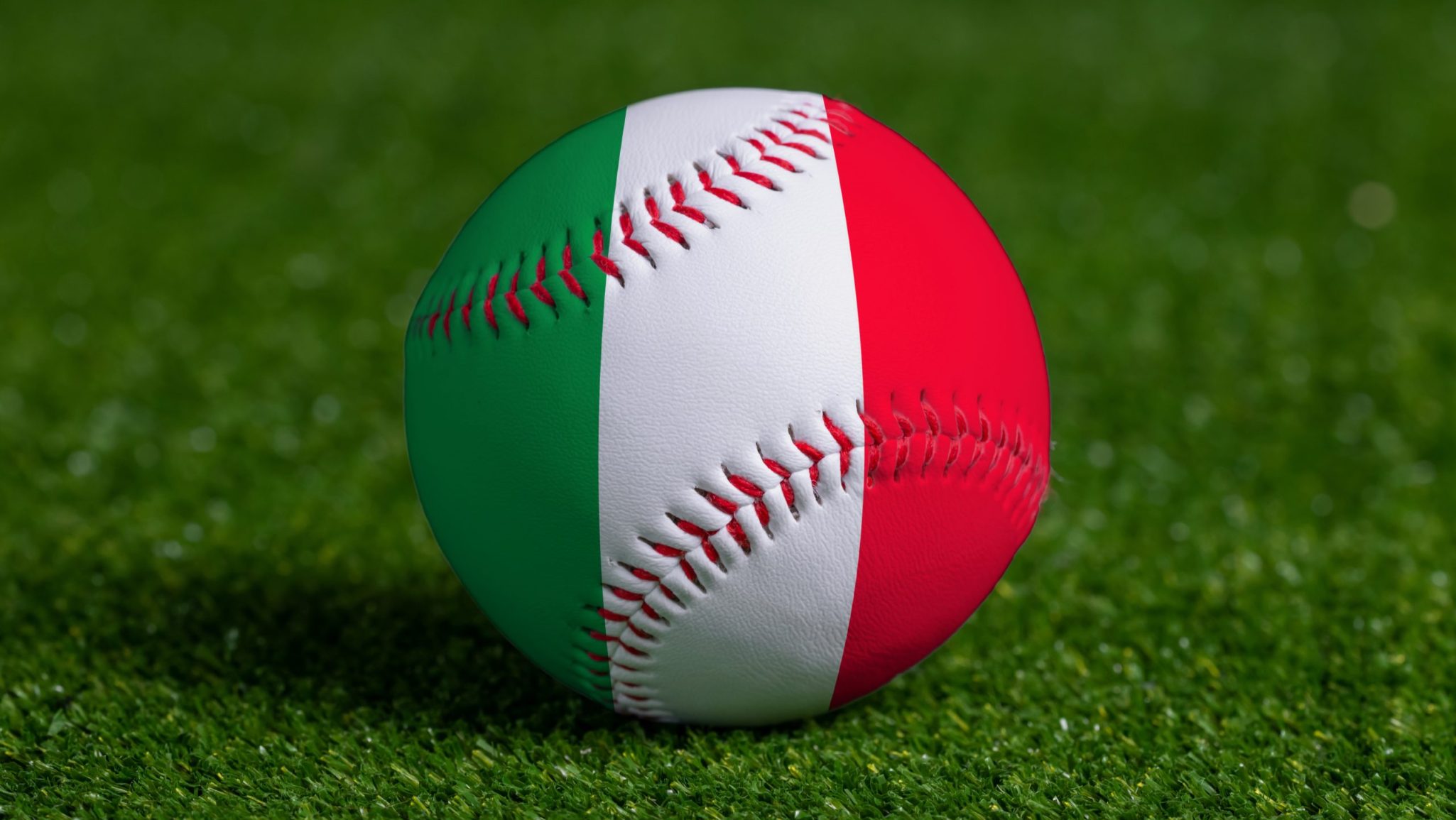
In March 2026, Italy beat the United States at baseball, then failed to qualify for football’s World Cup. The baseball players won five straight games on their way to a first World Baseball Classic semifinal. The footballers ended the month with a third consecutive World Cup absence.
The baseball team even supplied its own celebration ritual. Home runs brought espresso, an Armani jacket and a kiss on each cheek from captain Vinnie Pasquantino. Those small performances gave the team a recognizable identity. They also risked making a serious sporting achievement look like a novelty act.
Against the United States, Italy built an 8–0 lead before holding on to win 8–6. This wasn’t a team enjoying a brief lead before the stronger opponent restored order. Italy had made the Americans chase the game, then survived their comeback. The result also left the United States needing help to reach the quarterfinals.
Pasquantino provided it against Mexico. The Kansas City Royals first baseman became the first player to hit three home runs in a WBC game, powering a 9–1 victory that completed Italy’s unbeaten group campaign. The Americans advanced, too. Italy had beaten the tournament heavyweight, then delivered the result that kept it alive.
An 8–6 quarterfinal victory over Puerto Rico ensured the run would outlast the initial upset. Even the ending was competitive: Italy led Venezuela 2–1 entering the seventh inning of their semifinal before losing 4–2. Venezuela went on to win the championship. Italy’s only defeat came against the eventual champion, after five consecutive victories.
Winning for Italy and building baseball there
Italian baseball already had a league dating to 1948, 10 European titles and an established home in Nettuno. Reducing the WBC side to its American connections would leave the people who sustained the sport inside Italy out of their own story.
Sam Aldegheri provides the clearest connection between those worlds. In 2024, he became the first pitcher born and raised in Italy to reach MLB. At the WBC, the Verona native started the opening victory over Brazil. His career offers a concrete example of an Italian-developed player reaching the same stage as teammates developed in the American system.
For manager Francisco Cervelli, the semifinal put his family history on opposite sides of the field. Born in Venezuela to an Italian father, he was managing Italy against his birth country. His own background offered a useful starting point for understanding a team whose connection to Italy often began outside it.
The roster leaned heavily on Italian-American professionals. Only three players had been born in Italy. WBC eligibility includes routes through citizenship, birthplace and a qualifying parent, among others. These players could represent Italy without having learned the game there, a distinction that helps explain both the team’s strength and the limits of what its results say about domestic development.
Football knows that distinction, too. Italy’s approach to Raphinha before Euro 2020 came close to giving the Brazilian winger a different international career, by his own account. Recruiting talent with connections abroad isn’t a baseball invention. Nor does an overseas birthplace tell us, by itself, how much representing a country means to someone.
After the Puerto Rico victory, Pasquantino described a purpose beyond results: “it’s about getting eyeballs and bringing people together on the sport.” A national team can attract attention quickly. Giving a young player somewhere to train and enough competitive games takes longer.
During the tournament, federation president Marco Mazzieri described that shortage of playing opportunities to NPR. “We have good players, we just don’t play enough,” he said. A successful international team and a strong domestic development system are related goals, not interchangeable achievements.
Football’s failure makes the contrast sharper without settling which sport Italy is “better” at. On March 31, the men lost their World Cup playoff to Bosnia and Herzegovina, 4–1 on penalties after a 1–1 draw. That followed their absences in 2018 and 2022. But the same period also contained victory over England in the Euro 2020 final, played in 2021. One baseball tournament doesn’t erase that title, and it doesn’t measure which sport Italians play or follow most.
Italy’s baseball team earned a place among its tournament’s last four while the footballers couldn’t secure a place in theirs. That’s a substantial achievement without declaring a new national sport. For Italian baseball, the next test is whether the route Aldegheri took can become less exceptional.