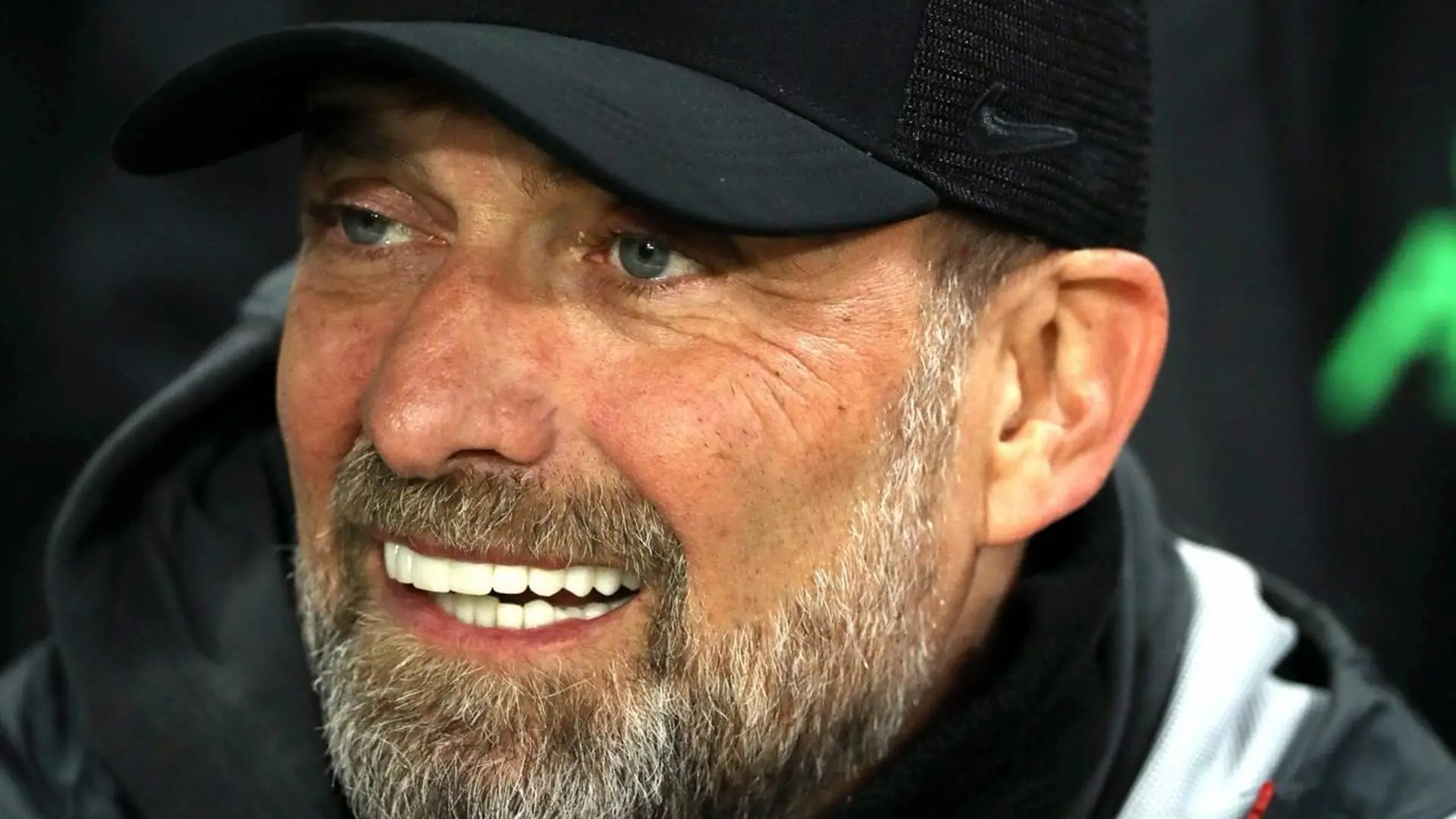
Germany hired Jürgen Klopp less than a month after its World Cup exit against Paraguay. The appointment filled an urgent vacancy, but the DFB’s July 24 announcement described a much wider reconstruction. Klopp begins Aug. 15 on a four-year contract covering Euro 2028 and the 2030 World Cup. Per Mertesacker becomes the DFB’s managing director for sport on Jan. 1, 2027. One appointment gives the senior team its leader. The other is meant to connect the national teams, academy and talent system around it.
The names around Klopp clarify the design. He arrives with Peter Krawietz, Pepijn Lijnders and Sven Bender. Marc Kosicke has responsibility for strategy, development and innovation. Krawietz and Lijnders know Klopp’s methods. Bender has recent experience inside the DFB’s youth setup. Mertesacker spent eight years leading Arsenal’s academy and will oversee a wider brief that reaches the men’s, women’s and youth teams. Germany hasn’t merely selected a coach. It has assembled an operating group.
The Paraguay match supplied the clearest diagnosis. Germany had 75.3 percent possession and 21 shots, but drew 1-1 and lost the shootout 4-3. Germany owned the ball without creating a decisive gap, then left another tournament early. It has now gone three consecutive World Cups without reaching the round of 16, a sharp break from the team that won the title in 2014.
Klopp can change how the senior team plays. He has identified greater intensity, counterpressing, a solid structure and a clear identity as early priorities. He is also tracking 57 outfield players, a pool broad enough to leave selection open at the start of the cycle. Yet a national coach has limited training time and no authority over the clubs that employ his players. Germany’s problems can’t be solved entirely during international windows.
The deal that released Klopp from Red Bull didn’t resemble a standard compensation payment. The DFB agreed to stage three senior men’s internationals in Leipzig by the end of 2030 and make a charitable donation worth about $1.14 million to Wings for Life. Senior internationals are finite slots on the national calendar. Assigning three of them to Leipzig shows how far the DFB was prepared to shape its future planning to secure Klopp’s early release and full attention.
The job is to make Klopp’s methods survive Klopp
Klopp’s spell as head of global soccer at Red Bull may be more relevant than a final club season would have been. His remit included strategic direction across an international network, support for sporting directors, global scouting and coach development. He didn’t run each club’s daily sessions. The organizations are different, but the management constraint is similar. With Germany, he must influence players, coaches and executives he can’t direct every day.
The first competitive task arrives before Mertesacker formally starts. Klopp’s opening window contains four matches in 11 days, beginning away to the Netherlands on Sept. 24. There will be little time to teach a complicated system. A compact set of repeatable principles is the practical route. The DFB’s youth program is already organized around small-sided games, sustained playing time and the principles of joy, intensity and repetition, so Klopp isn’t entering a blank system.
Germany’s issue isn’t a shortage of football infrastructure. The DFB represents about 7.7 million members and 24,000 clubs. Its development system includes 58 elite development centers, 39 elite football schools and 339 talent hubs. A 2025 UEFA-funded study based on interviews with 17 senior academy staff in Germany and England identified federalism and slow bureaucracy as major weaknesses in the German model. The challenge is making useful ideas travel from youth training into club development and then into a senior national team that meets only intermittently.
Mertesacker’s role isn’t a blank organizational chart, either. Rudi Völler remains director of the senior men’s and U21 teams, Hannes Wolf leads youth development and training, and Nia Künzer oversees the women’s pathway. Those roles were in place before the Paraguay defeat. When Wolf was appointed in 2023, the DFB had already said the wider sporting area would eventually be led by a managing director for sport. Mertesacker’s value will come from connecting existing departments, not replacing them. The aim shouldn’t be to reproduce Klopp’s tactics at every age. It should be to turn useful principles into player profiles, development pathways and coaching practices that remain when the senior coach changes.
Results will still determine how the project is judged, starting with Euro 2028. The institutional test runs longer. Germany needs to know whether its player profiles become clearer, whether youth and senior teams communicate better, and whether the DFB retains a recognizable football logic after 2030. Klopp is the headline appointment. The institution changes only if the DFB keeps part of what he builds after his tenure ends.