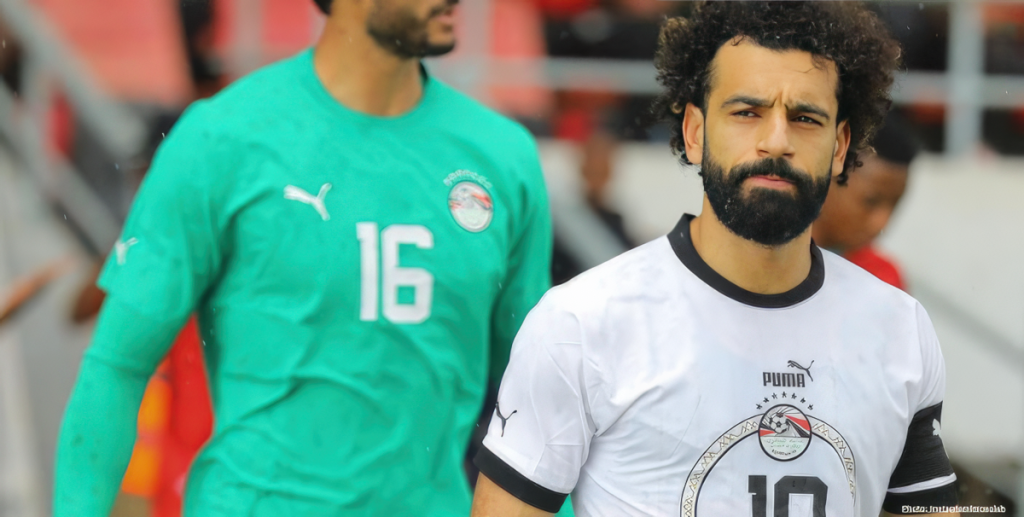
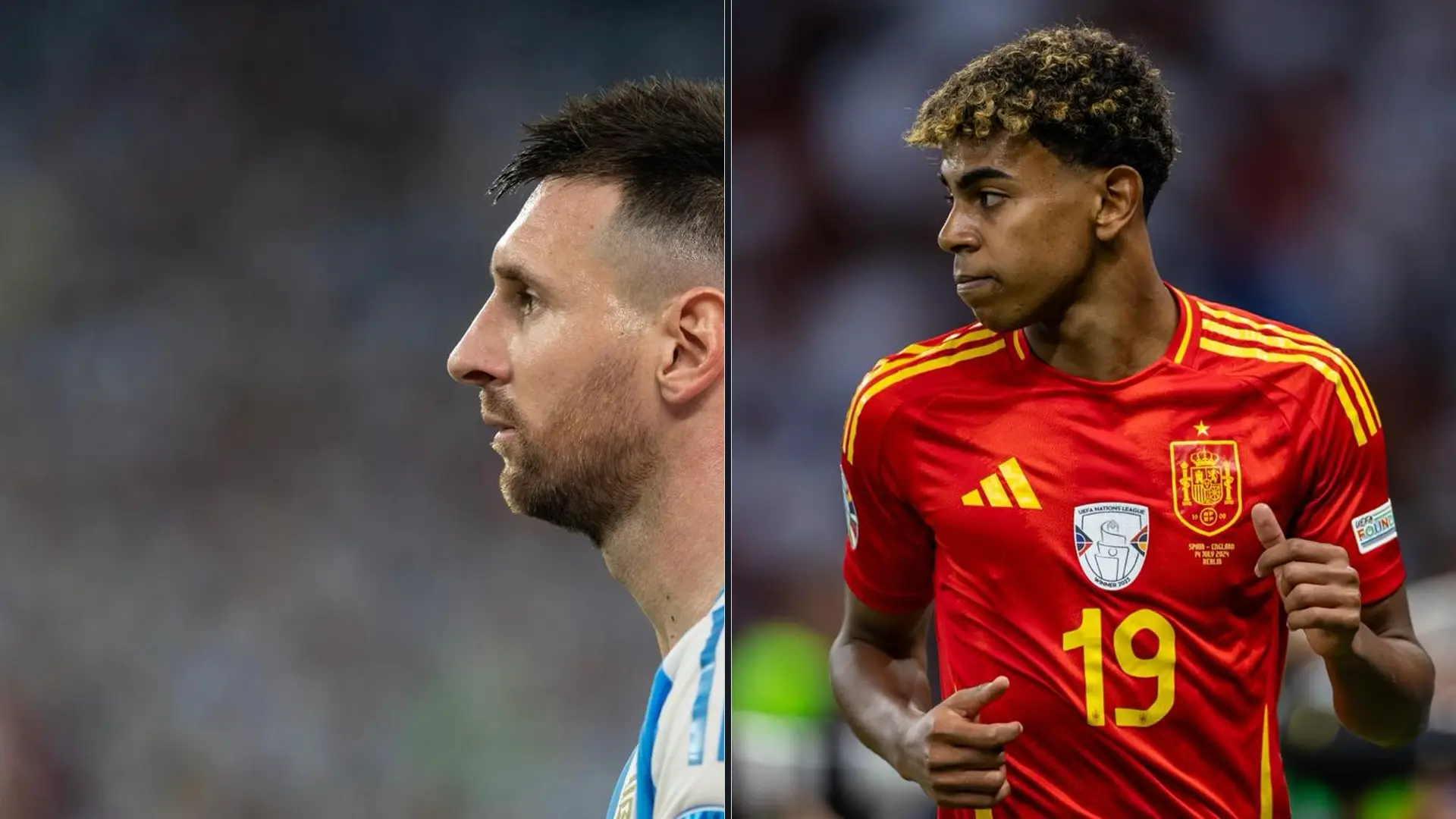
The World Cup final between Argentina and Spain is less a meeting of opposites than a fight over who gets to control the match. Spain want long possessions, stable distances and immediate pressure after losing the ball. Argentina are comfortable changing the rhythm, defending in compact spells and waiting for Lionel Messi to find the space that appears when a structure begins to stretch.
Spain arrive unbeaten in 37 matches, having conceded only once in seven World Cup games and never fallen behind. Their route to East Rutherford included Spain’s 2-0 semifinal win over France, a performance built on control rather than a frantic exchange of chances. Argentina have scored a tournament-high 19 goals, but their knockout run has required recoveries, extra time and decisive contributions from the bench.
Luis de la Fuente is expected to retain Spain’s 4-2-3-1. Unai Simón should start behind Pedro Porro, Pau Cubarsí, Aymeric Laporte and Marc Cucurella. Rodri and Fabián Ruiz form the base, Dani Olmo works between the lines, Lamine Yamal starts from the right, Álex Baena is favored on the left and Mikel Oyarzabal leads the attack.
Lionel Scaloni’s likeliest answer is a narrow 4-4-2. Emiliano Martínez should start in goal, with Nahuel Molina, Cristian Romero, Lisandro Martínez and Nicolás Tagliafico across the back. Rodrigo De Paul, Leandro Paredes, Enzo Fernández and Alexis Mac Allister would form the midfield behind Messi and Julián Álvarez.
Spain’s first objective will be to move Argentina’s midfield until Yamal can receive against Tagliafico without immediate support. Porro’s overlapping runs and Olmo’s movement into the right half-space can turn that duel into a three-player problem. If Mac Allister moves across to help, Fabián should find more room centrally. If Argentina stay narrow, Yamal will have repeated chances to attack the fullback.
Why control may break late
Argentina can’t chase Spain continuously without opening the center of the field. Their press should be selective, beginning when the ball travels toward a fullback or when a Spanish receiver faces his own goal. Messi can screen Rodri rather than follow the center backs, preserving his energy for the next possession. When Argentina recover the ball, Messi’s most useful position may be slightly to the right, away from Rodri and closer to the space behind Cucurella.
A cautious first hour wouldn’t mean either team had abandoned its plan. Spain can dominate the ball without forcing early passes into a crowded penalty area. Argentina can concede territory while keeping Messi and Álvarez close enough to threaten the first clean transition. The score may remain level because both sides understand the cost of losing the ball in the wrong zone.
The more revealing moment may come after the opening goal. England protected its lead by adding another defender and concentrating on the penalty area during Argentina’s 2-1 semifinal win over England. Spain are unlikely to make the same choice.
Their safest way to defend a lead is to keep circulating the ball, keep Rodri near the center and press Argentina’s first pass. Against France, Spain held their opponent without a shot on target until after the 80th minute. Porro and Cucurella remained available as outlets rather than dropping permanently beside the center backs.
That approach still carries risk. If Porro and Cucurella advance together, Messi can receive behind Spain’s midfield with Álvarez already moving toward goal. Spain don’t plan to assign Messi a dedicated man-marker, so the responsibility will pass between Rodri, Laporte and the nearest midfielder. One delayed decision could create the opening Argentina need.
Argentina’s strongest late option is Lautaro Martínez. He scored the stoppage-time winner against England after entering from the bench, while De Paul helped increase the pressure from midfield. Scaloni can also introduce Giuliano Simeone for direct running or move to two conventional forwards around Messi. Those changes would give Spain less time to rebuild their defensive shape after turnovers.
Spain have the clearer, more repeatable plan. Their spacing, passing options and counterpress should allow them to control more of the match. Argentina have the stronger record of surviving periods when control belongs to the opponent.
If Spain lead, they should continue playing forward when the pass is available instead of defending the score from their own penalty area. If Argentina remain within one goal after 70 minutes, the final will enter the kind of game state Scaloni’s team has handled best.
The likely pattern is a measured opening, Spanish territorial control and a sharper match after the substitutions. Spain hold a slight tactical advantage, but the margin is narrow. This final may not need 90 minutes of disorder. It may need one failed counterpress, one run beyond a center back or one Messi pass delivered before Spain can close the space.