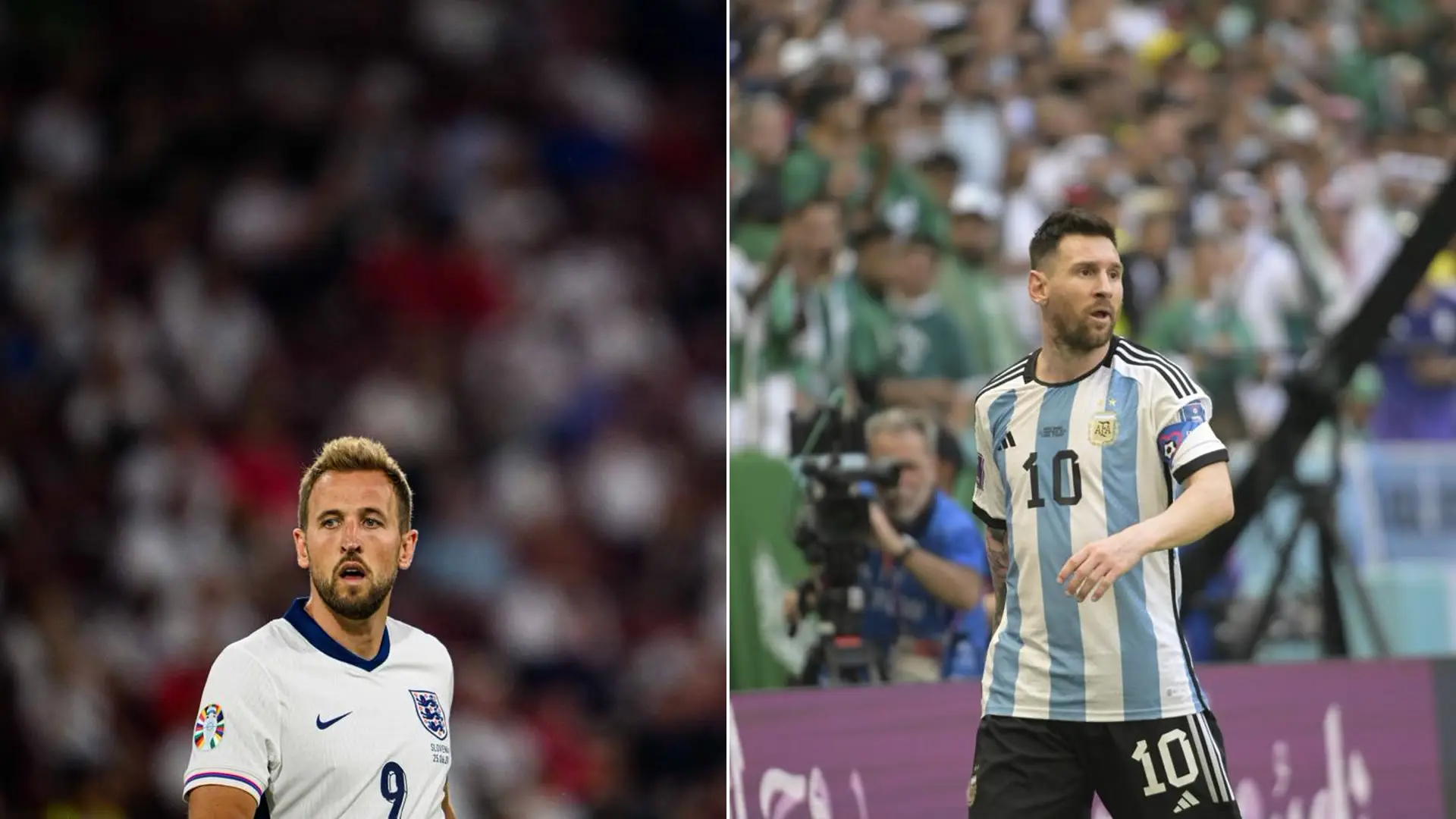
England and Argentina have spent six decades accumulating World Cup history, but the confirmed lineups in Atlanta point to a more immediate contest. This is the first World Cup semifinal between the countries, with Spain waiting for the winner. England are one victory from their first men’s World Cup final since 1966. Argentina are one victory from the chance to become the first nation since Brazil in 1962 to retain the trophy.
Thomas Tuchel has made three changes from England’s 2-1 extra-time win over Norway. Reece James, Djed Spence and Morgan Rogers replace Ezri Konsa, Nico O’Reilly and Noni Madueke. England start in a 4-2-3-1 with Jordan Pickford; James, John Stones, Marc Guéhi and Spence; Elliot Anderson and Declan Rice; Rogers, Jude Bellingham and Anthony Gordon; and Harry Kane.
Lionel Scaloni has changed only one player from Argentina’s 3-1 extra-time victory over Switzerland. Giuliano Simeone replaces Rodrigo De Paul. Argentina start with Emiliano Martínez; Nahuel Molina, Cristian Romero, Lisandro Martínez and Nicolás Tagliafico; Leandro Paredes; Simeone, Enzo Fernández and Alexis Mac Allister; with Lionel Messi and Julián Álvarez together in attack.
Those selections move the semifinal toward the wings. England have changed both full-backs and the player on the right of their attacking line. Argentina have removed De Paul, an experienced interior presence, for a more direct wide attacker. Messi and Bellingham remain the central figures, but each coach has altered the structure around them rather than trying to change the role of his most important player.
Rogers can move inside to give England another ball carrier near Bellingham, leaving James to provide width from right-back. On the opposite side, Simeone can hold a wider starting position and force Spence to defend more territory. Simeone had made only one appearance earlier in the tournament, during Argentina’s group-stage victory over Jordan. His promotion for a semifinal suggests Scaloni wants a different kind of movement on that side.
The semifinal may be decided on England’s left side
Spence faces the most complicated section of the field. Messi can move into Argentina’s inside-right channel, while Simeone can remain outside him and Molina can advance from full-back. If Spence follows Messi inward, the touchline opens. If he stays wide, Messi may receive between England’s midfield and defense. Rice, Guéhi and Gordon will need to adjust around those movements without pulling England’s shape apart.
Argentina have a related problem on England’s right. When Rogers moves centrally, James can overlap and stretch Tagliafico. Mac Allister may then have to retreat from midfield, reducing Argentina’s numbers around Paredes. Kane’s tendency to drop toward the ball can create another decision for Romero or Lisandro Martínez, especially when Bellingham runs beyond him.
The starting choices also preserve strong second-half options. England can introduce Bukayo Saka, Marcus Rashford, Noni Madueke or Ollie Watkins if they need more speed or width. Argentina have De Paul, Lautaro Martínez and Nicolás González available. Both quarterfinals went to extra time, so the ability to change the pace without losing structure could matter as much as the first tactical plan.
This is the sixth World Cup meeting between the countries and the first at the semifinal stage. England won in 1962, 1966 and 2002. Argentina won in 1986 and advanced on penalties in 1998. Messi, now 39, is facing England at senior international level for the first time.
The older matches explain the weight attached to the fixture, but they won’t determine its shape. Tuchel has trusted two new full-backs and a different right-sided attacker. Scaloni has answered with Simeone’s width and Álvarez beside Messi. A place against Spain may be decided by which team manages the spaces just outside the central duel.