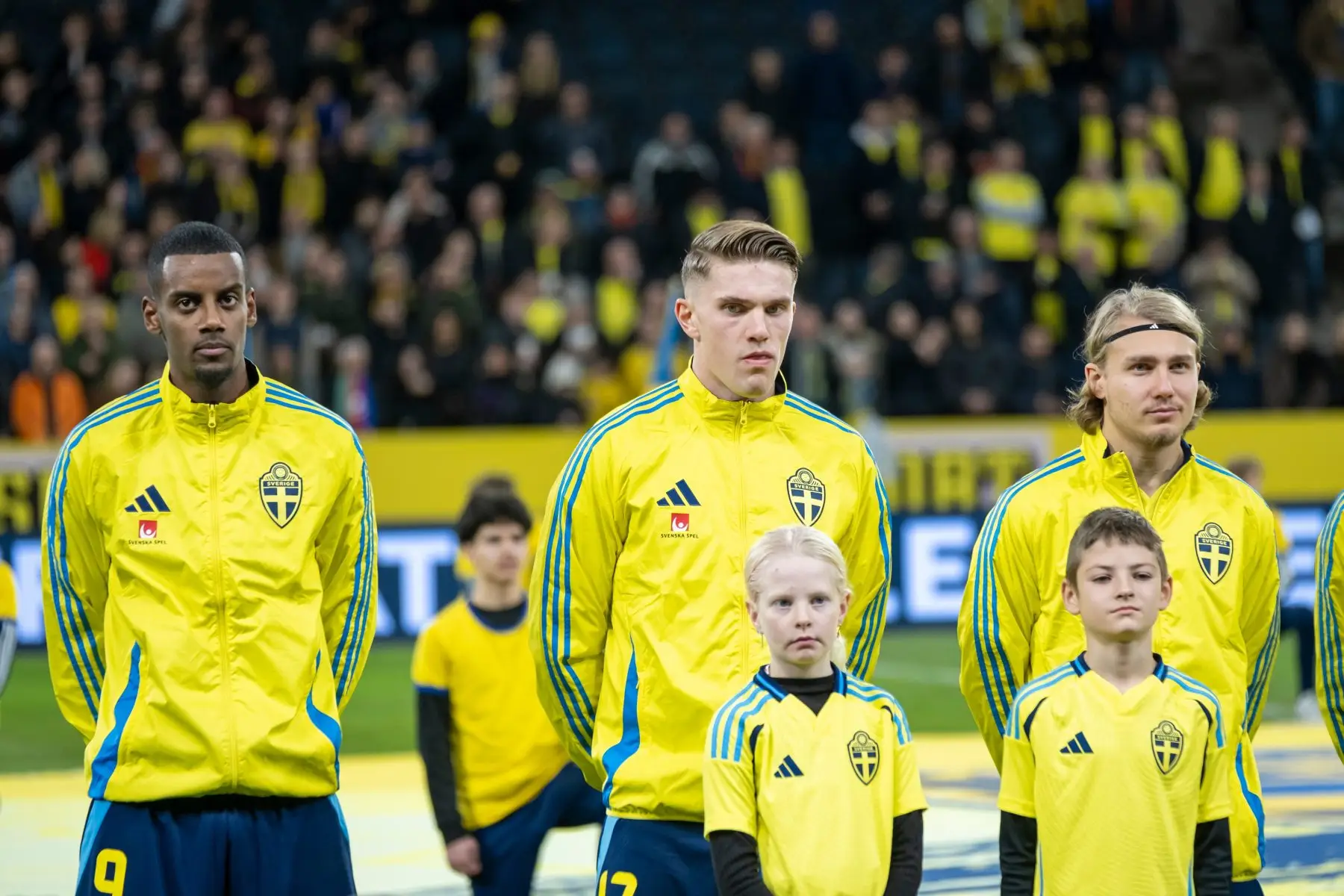
Japan and Sweden took 55 minutes to find the match. Then they needed only six more to define it.
A 1-1 draw at AT&T Stadium left both teams with a result that felt useful without feeling fully satisfying. Daizen Maeda put Japan ahead in the 56th minute, finishing Ritsu Doan’s through ball from the center of the box. Anthony Elanga answered for Sweden in the 62nd, driving a left-footed shot from outside the box after Viktor Gyökeres set him up.

That six-minute stretch was the game in miniature: Japan finding a clean central lane after a patient build, Sweden responding with the kind of direct strike that made its second-half pressure matter. Neither side turned the final half hour into a winner, but both had enough chances to leave thinking the draw could have been something more.
Japan finished with slightly more possession at 52.3 percent and completed 379 passes. Sweden had the sharper shot profile, with 11 total shots and five on target, forcing four saves. The contrast fit the match. Japan had longer spells of control, while Sweden’s corners and pressure created the more frequent danger.
Two goals, two different routes
Maeda’s goal gave Japan the reward for its best attacking sequence. Doan’s pass split Sweden’s shape, and Maeda finished low from the middle of the box. It was the type of goal that made Japan’s earlier ball security matter, especially after an opening half broken up by injuries, substitutions and a drinks break.
Sweden’s reply came differently. Elanga didn’t need a long passing move or a set-piece scramble. He found space outside the area and hit the kind of shot that changed the emotional temperature of the match. For a Sweden team that had eight corners and pushed Japan into repeated defending, the equalizer was a fair return.
The draw also fits into Japan’s broader tournament pattern after its earlier high-energy match against the Netherlands. That game showed how dangerous Japan can be when tempo rises, and this one showed a different version: more measured, more patient and still capable of creating the first decisive chance. For more on that earlier group-stage rhythm, see Japan and the Netherlands trading blows.
Sweden, meanwhile, will see the draw as a point earned and a chance missed. It created enough pressure to win, especially after halftime, but Japan’s goalkeeper and defensive structure kept the match from tipping further.
At full time, the score felt honest. Japan had the cleaner first punch. Sweden had the stronger response. Neither had the final action to turn a tight group-stage match into a statement.