No African men’s national team has won the FIFA World Cup. That fact still sits at the center of the continent’s World Cup record, but it no longer feels like the only useful way to frame the question. At the first 48-team men’s World Cup, Africa arrives with ten teams and a wider route into the knockout rounds. The question now is less abstract: which African side is built to make the final leap first?
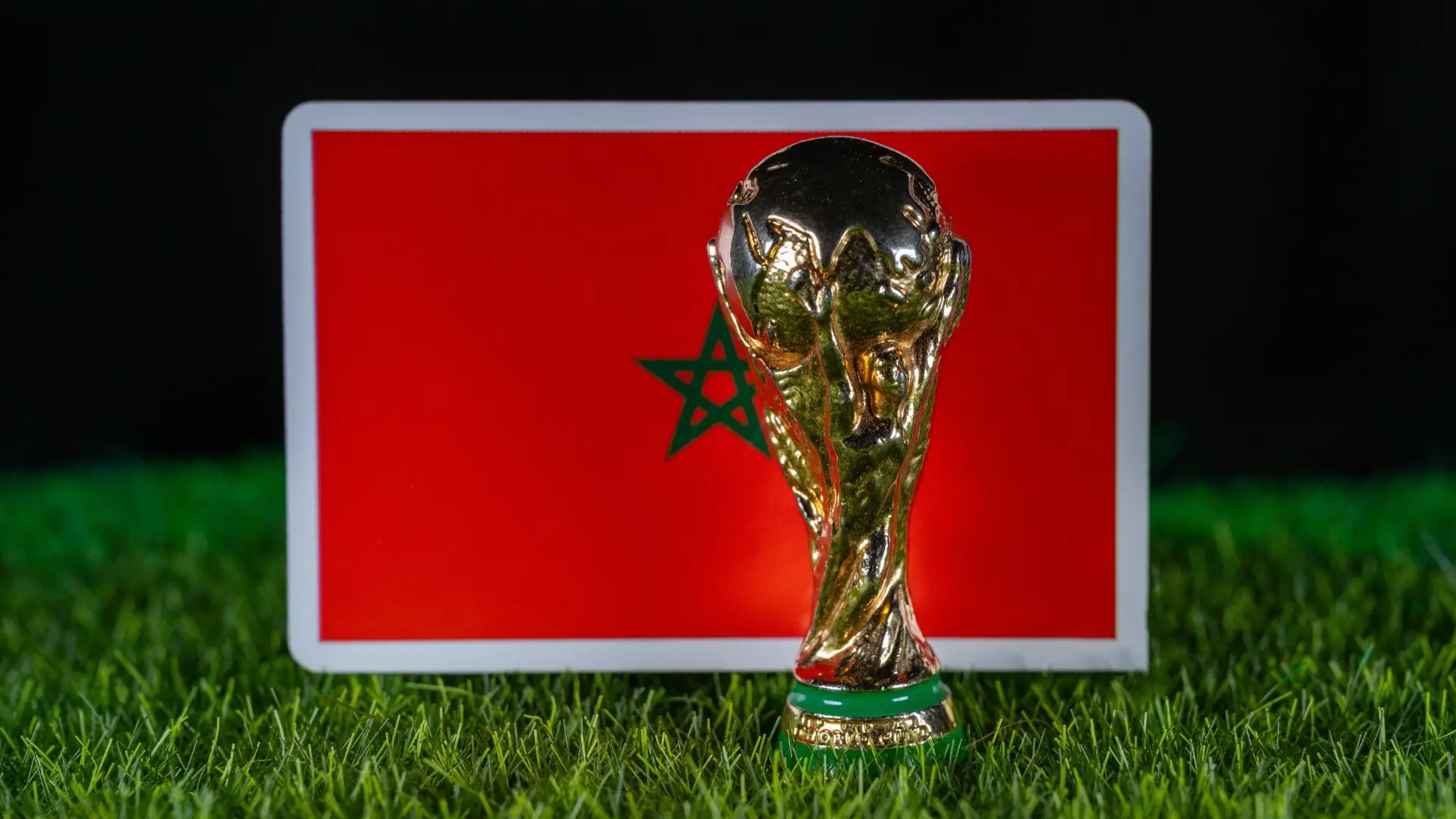
The answer, on present evidence, is Morocco. Morocco’s 2026 World Cup case starts with a result no other African team has matched. In Qatar in 2022, the Atlas Lions reached the semifinals after topping a group with Croatia, Belgium and Canada, then removing Spain and Portugal from the tournament. They finished fourth after defeats to France and Croatia, but the run changed the standard by which African contenders are judged.
Before 2022, the quarterfinal was Africa’s outer boundary, reached by Cameroon in 1990, Senegal in 2002 and Ghana in 2010. Morocco moved beyond that line.
Morocco has a goalkeeper who can change knockout matches in Yassine Bounou, a fullback who gives the team world-class range in Achraf Hakimi, and enough midfield and attacking quality around Sofyan Amrabat and Brahim Díaz to prevent the story from becoming only defensive survival.
Morocco has the strongest case
The 2026 draw gives Morocco a difficult but not impossible first stage. Brazil is the obvious heavyweight in Group C, while Scotland and Haiti make the group more than a two-team exercise. The expanded format matters here. A poor opening night wouldn’t automatically break Morocco’s tournament, and a strong response could still leave them with a workable knockout route.
Senegal is the closest challenger, and in some ways the squad with the broader set of match-winners. Sadio Mané, Kalidou Koulibaly and Edouard Mendy give it experience through the spine. Nicolas Jackson, Iliman Ndiaye, Ismaïla Sarr and Pape Matar Sarr give it pace, movement and enough variation to trouble elite teams. The problem is the route. Senegal shares Group I with France, Norway and Iraq, a harder assignment than Morocco’s and one that could demand high-level results before the knockouts even begin.
Côte d’Ivoire belongs in the next tier, not as decoration but as a serious outsider. Its 2023 Africa Cup of Nations title came with the volatility of a host-nation tournament, but the World Cup qualifying record is harder to dismiss. Ivory Coast did not concede in 10 qualifiers and had 15 different scorers, a combination that suggests both stability and distribution of responsibility. In Group E with Germany, Ecuador and Curaçao, the opener against Ecuador may reveal whether this is a side prepared to extend matches against better-known opponents or simply a team with an impressive qualifying sheet.
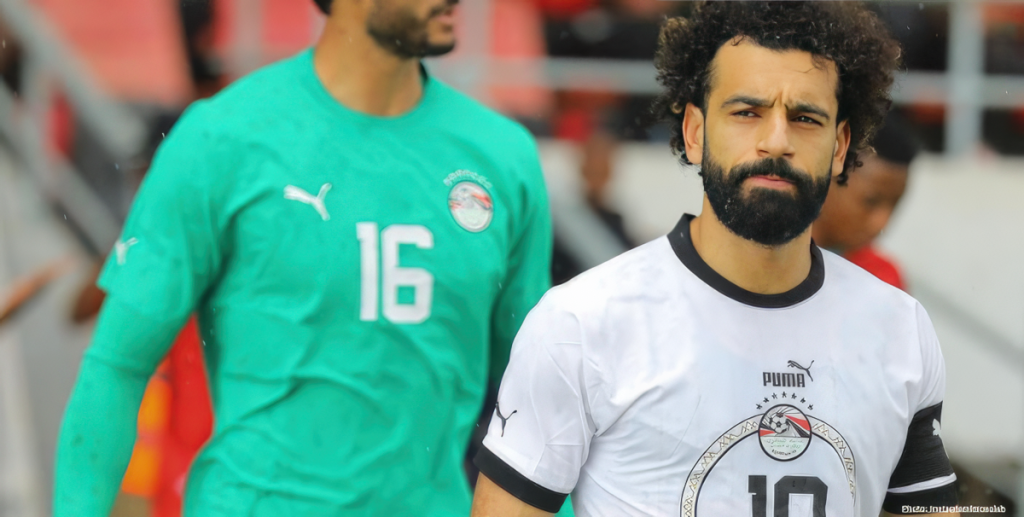
Egypt and Algeria have clear routes to relevance but less complete title cases. Egypt’s argument begins with Mohamed Salah and Omar Marmoush, which is enough to make any opponent cautious. Algeria can lean on Riyad Mahrez’s experience and Mohamed Amoura’s scoring threat. Both can produce a knockout story. Neither has the same recent World Cup proof as Morocco or the same squad depth and attacking variety as Senegal.
Ghana belongs in the conversation because its 2010 quarterfinal still marks one of the continent’s most painful near-misses, and because the 2026 group stage offers a clean measure of where the team stands. England and Croatia make Group L unforgiving, with Panama as the match Ghana would likely need to control. That profile makes Ghana dangerous, but a title path would require too many immediate corrections.
The verdict is Morocco first, Senegal second and Côte d’Ivoire third. Morocco is not the safest pick because it is guaranteed to win. No African team is close to that category. It is the safest pick because the evidence is already on the page: a semifinal, a tested spine, tactical discipline, elite-level individuals and a squad that has already beaten major European opponents in World Cup knockout conditions.
Africa’s first World Cup winner may still be a cycle away. But the question has changed in a meaningful way. It is no longer built only on hope, symbolism or a one-night upset. It is now built on teams with enough structure to imagine the whole route. Morocco has walked farther along it than anyone else.