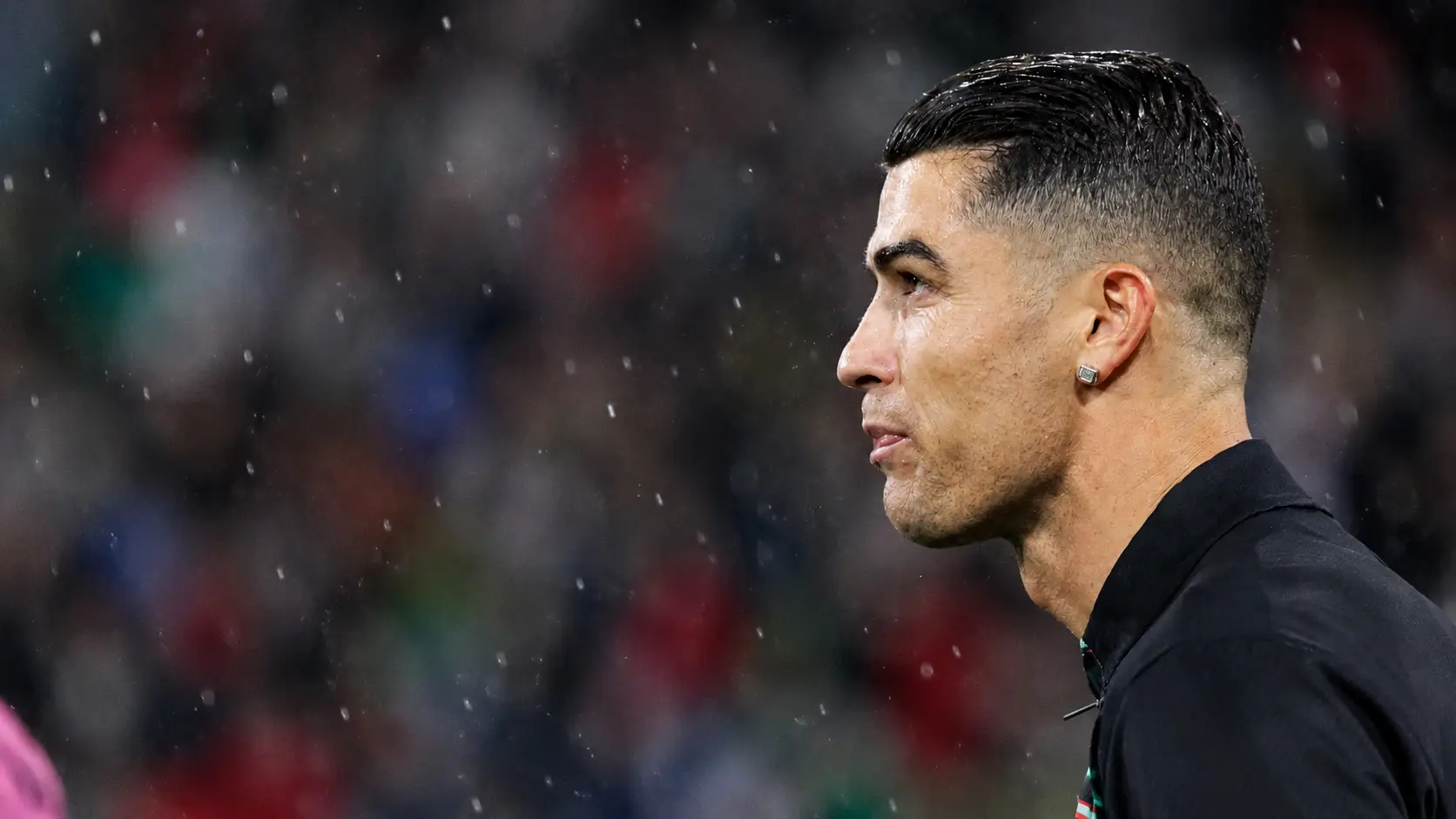
At 41, Cristiano Ronaldo enters World Cup 2026 with one major prize still outside his reach. Portugal have won the European Championship and two UEFA Nations League titles during his international career, but the World Cup has remained the missing chapter.
This tournament gives that chase an unusual frame. The World Cup has expanded to 48 teams, added a Round of 32, and restored a survival route for some third-place teams. For most countries, that is just a logistical change. For Portugal, it touches a pattern that has followed their modern trophy history.
Portugal’s Euro 2016 title came in the first 24-team edition of the European Championship. They drew all three group matches, finished third, advanced through the widened knockout route and won the final against France. It was not a dominant march. It was a lesson in how much value there can be in staying alive long enough for a tournament to turn.
Three years later, Portugal won the first UEFA Nations League. In 2025, they won it again after UEFA added a League A quarter-final stage to the competition. That second Nations League run required Portugal to get through Denmark over two legs, beat Germany in Munich and then defeat Spain on penalties after a 2-2 final.
The pattern should not be treated as proof of anything. Format changes do not score goals, organize midfields or defend set pieces. But Portugal’s recent trophies have arrived in competitions where the structure rewarded patience, squad depth and the ability to keep moving through unfamiliar stages.
The format is part of the test
The 2026 World Cup will ask more from contenders than any previous edition. The group stage is more forgiving for some teams, but the champion will have to survive a longer knockout path. A bad afternoon may not end the tournament as quickly as it once did, but the extra round creates one more place for fatigue, rotation and pressure to interfere.
Portugal’s Group K campaign begins against DR Congo in Houston, continues against debutant Uzbekistan and closes against Colombia. It is a group with clear favorite status for Portugal, but not a group without texture. DR Congo are back at the World Cup for the first time since 1974, while Colombia bring a recent record of tournament experience and a higher ceiling than most second-pot opponents.
Portugal’s case is no longer built around Ronaldo carrying every phase of a match. Vitinha, João Neves and Bruno Fernandes give Roberto Martínez a midfield capable of controlling long stretches. Nuno Mendes, Rúben Dias, Bernardo Silva, Rafael Leão and Pedro Neto give the squad range in different game states. Ronaldo remains central, but his role is now more specific. Portugal need his finishing, timing and authority in decisive moments, not 90 minutes of old volume.
Ronaldo’s sixth World Cup is no longer just about accumulation, goals, records, appearances and longevity. This version of Portugal asks a different question. Can a team deep enough to reduce his burden still create the kind of moment that lets him shape the tournament?
Portugal also travel with the memory of Diogo Jota, who died in July 2025 alongside his brother André Silva. Martínez named a 27-player travelling group while recognizing Jota symbolically within the squad’s World Cup story.
The historical pattern is useful only if it is kept in proportion. Portugal did not win Euro 2016 because the rules changed. They won because the new rules gave them time to recover from an imperfect start. They did not win the Nations League because it was new or expanded. They won because they handled the stages in front of them better than everyone else.
The 2026 World Cup gives Portugal another altered map. Ronaldo gives it a familiar face. The question is whether this squad can turn a strange format into something more concrete than a coincidence.