The 2026 World Cup is about a week away. Forty-eight teams, three host countries and a month of matches across North America will make it the broadest men’s tournament in FIFA history. The scale will also carry beyond the stadiums through World Cup 2026 fan festivals, but the best way to follow it remains simple: find the players who can change the tournament with one decision.
This list is built around recent form, national importance, tactical role and career stakes. Some of these players are already close to the end of their World Cup arc. Others are still building the résumé. Together, they give the tournament its clearest individual storylines.
Lamine Yamal, Spain
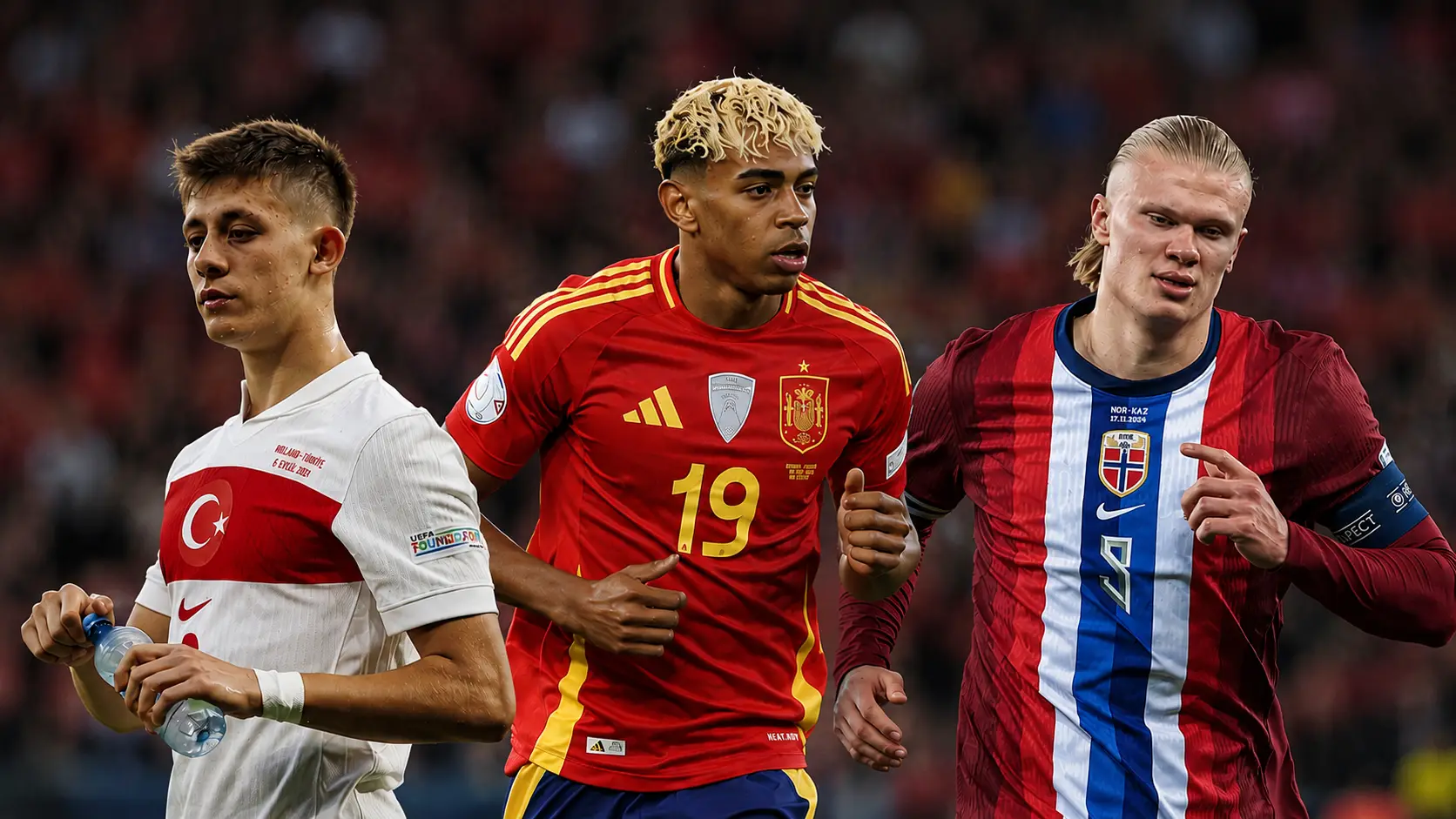
Lamine Yamal belongs at the front because Spain’s attack is starting to move through him. At 18, he has already won a European Championship and just finished a Barcelona season with 16 La Liga goals and 11 assists. His value is not only production. He stretches defenses wide, receives under pressure and makes Spain’s possession feel less patient, more pointed.
Kylian Mbappé, France
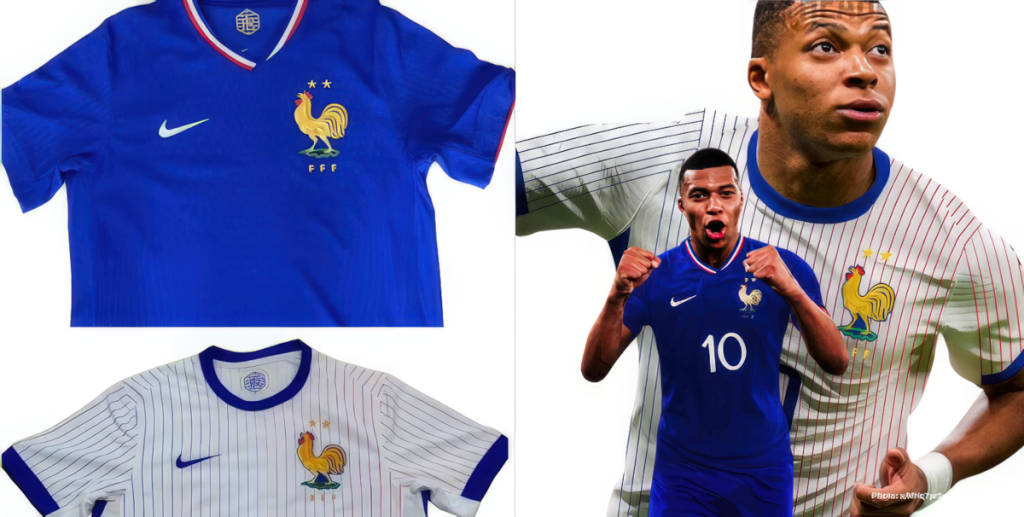
Kylian Mbappé enters with a different kind of weight. France no longer asks whether he can handle the World Cup, since that question was answered in Russia and Qatar. Now he is the fixed reference point for Didier Deschamps’ final tournament, the forward most capable of turning a balanced knockout match into a problem of space, speed and timing.
Erling Haaland, Norway
Erling Haaland finally gets the tournament that has been missing from his résumé. Norway’s first World Cup since 1998 comes after a qualifying run in which he scored 16 times in eight matches. Club football has already measured his finishing. This summer will measure how far one striker can drag a country through a group containing France and Senegal.
Lionel Messi, Argentina
Lionel Messi returns with the only pressure that still fits him: time. He will turn 39 during the tournament, and Argentina no longer need him to carry every phase of every match. They need his judgment, his control and his ability to bend a tight game in one passage. For the defending champions, his value may be sharper because it can be used more carefully.
Cristiano Ronaldo, Portugal
Cristiano Ronaldo arrives at 41 with the one trophy still missing. Portugal’s depth means this does not have to be a solo act. Vitinha, Bruno Fernandes, João Neves and Nuno Mendes give the squad structure around him. Ronaldo’s tournament will be measured by moments, not volume: a run, a header, a penalty, a late substitution that changes the mood of a match.
Jude Bellingham, England
Jude Bellingham gives England its central pulse. He has the No. 10 shirt, the temperament to receive pressure, and the range to connect midfield with the forward line without becoming only a creator. England’s best version will not need him to dominate every phase. It will need him to appear in the right one.
Vinícius Júnior, Brazil
Vinícius Júnior is the cleanest read on Brazil at the 2026 World Cup. Neymar’s fitness remains part of the discussion, but Vinícius is the forward whose current level best matches Brazil’s need. His goal and assist in the 6-2 warm-up win over Panama offered a direct preview of the Carlo Ancelotti idea: defend with more control, then let speed expose the space.
Christian Pulisic, United States
Christian Pulisic carries the most important attacking role for a host nation. The encouraging detail from the United States’ 3-2 win over Senegal was not only that he scored and assisted. It was that Pepi, Dest, Freeman, Weah and Balogun were involved in the moves around him. Pochettino’s USMNT roster works best if Pulisic is the sharpest part of a system, not the whole system.
Mohamed Salah, Egypt
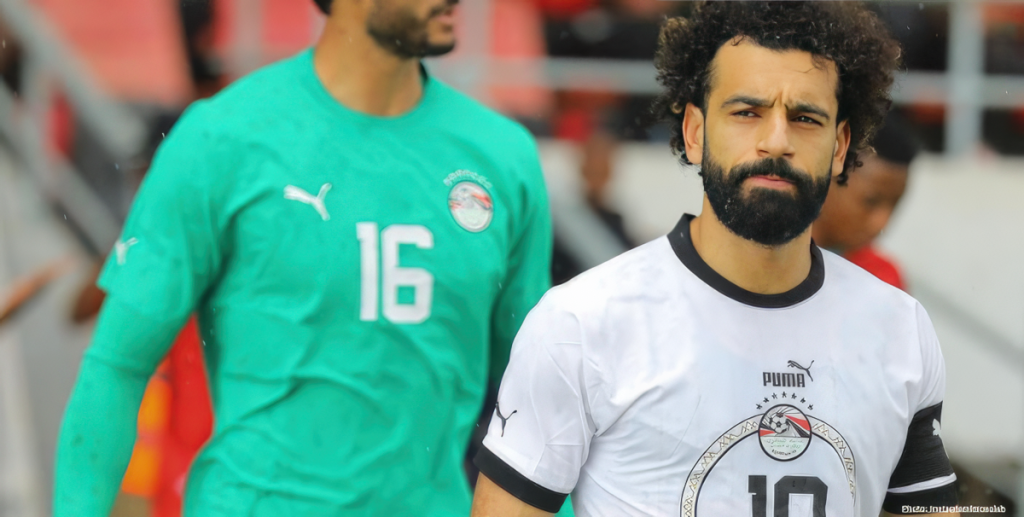
Mohamed Salah gives Egypt a route that is easy to understand. Egypt are still chasing their first World Cup win, and Salah remains the player most likely to deliver it while sitting close to Hossam Hassan’s national scoring record. At 33, his game is less about constant separation than timing, touch and finishing before a defender can reset.
Arda Güler, Türkiye
Arda Güler is the creative hinge for a Türkiye side returning to the World Cup after 24 years. He led Real Madrid in La Liga assists and finished level with Vinícius Júnior for chances created. His Champions League passing profile also points to a player comfortable breaking defensive lines. Türkiye do not need him to look like a prospect. They need him to play like a reference point.