There is an obvious way to start any conversation about the best goalkeepers heading to the 2026 World Cup, and it is with the one who will not be there. Gianluigi Donnarumma remains one of the elite names in the position, but Italy failed to qualify again, which changes the shape of the field before a ball is kicked. The tournament’s goalkeeping story is not only about excellence. It is also about availability, fitness, and which nations have arrived with a true difference-maker in net.
Argentina enter that discussion with the clearest tournament specialist of the era. Emiliano Martínez is still the reference point because his international résumé is stronger than anyone else in the field. He won the Golden Glove at the 2022 World Cup, added another at Copa América 2024, and FIFA named him The Best men’s goalkeeper for 2024. Even with a recent injury scare at club level, he remains Argentina’s established No. 1, and that matters because knockout football tends to reward certainty as much as talent.
Belgium’s case begins with Thibaut Courtois, who still has a claim to be the best pure shot-stopper in the tournament when healthy. Belgium qualified after finishing top of their group, and the central question with Courtois now is whether he arrives at full sharpness after a season that has demanded caution. The level is not in doubt. The issue is rhythm, continuity, and whether his body holds up through the final stretch.
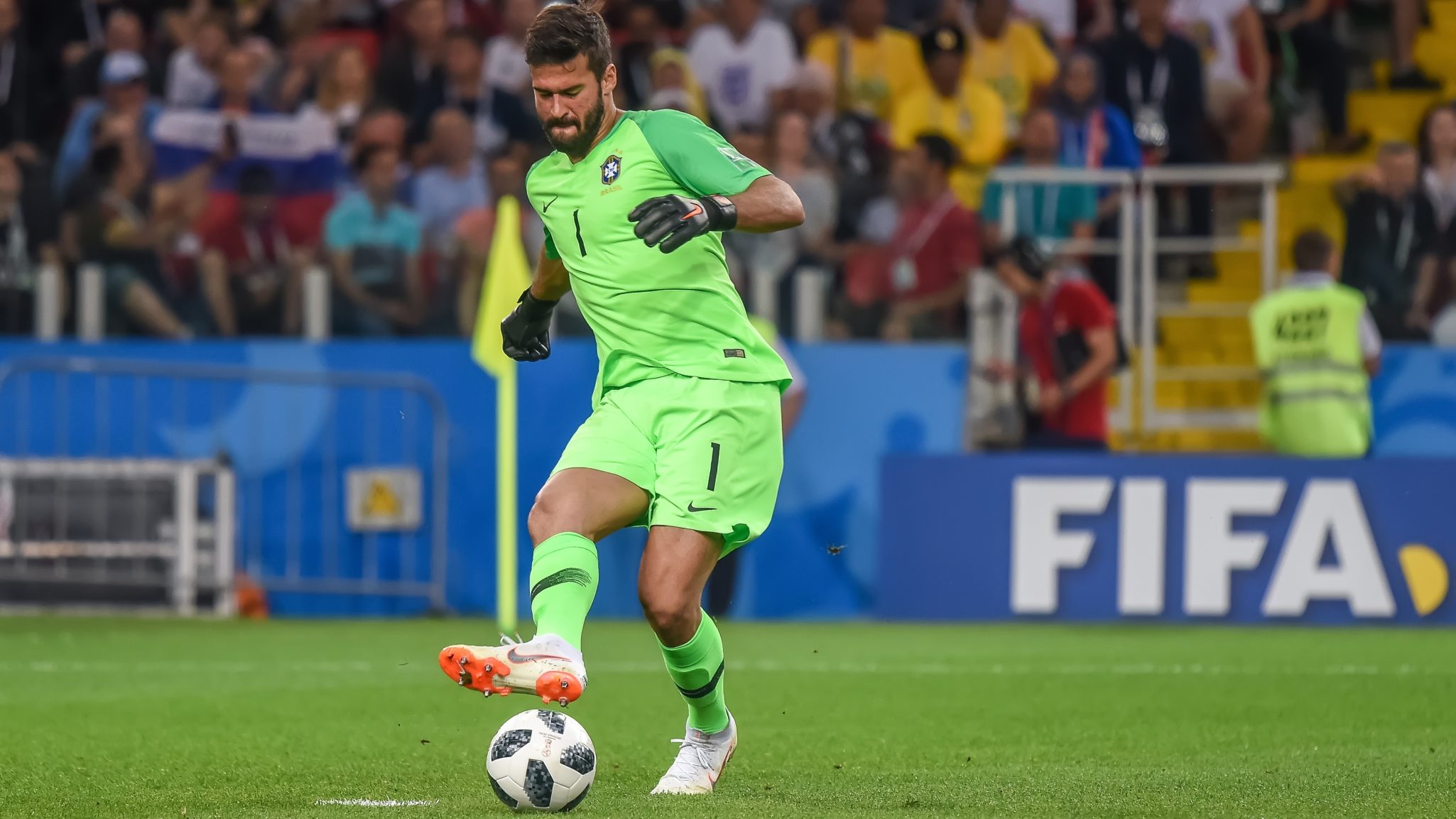
Brazil have a similar tension around Alisson Becker. On talent alone, Alisson belongs in any top tier of World Cup goalkeepers. But his recent fitness status matters almost as much as his résumé. When fit, he gives Brazil calm, command, and a margin for error that few teams can match. That is why he remains in the first rank even with the health caveat attached.
Portugal’s Diogo Costa may be the most compelling goalkeeper in the field outside the established senior stars. He has now moved beyond the stage of being described as a future tournament goalkeeper. He looks like a present one. Portugal’s recent cycle has only strengthened that impression, and Costa increasingly feels central to a side that expects to control matches but still needs a keeper who can decide them when the structure breaks.
Where the field gets deeper
Spain, Morocco, and even the host nations complicate any simple ranking. Spain qualified unbeaten, and David Raya has strengthened his standing in a team built around control and territorial dominance. He may not face the same volume as others, but that is part of the job description in a side that asks its goalkeeper to stay alert through long stretches and still make the defining save when the match turns.
Morocco arrive with a goalkeeper who already has a World Cup identity. Yassine Bounou was one of the defining figures of 2022, and that matters now because he has already shown that his game translates to this stage. International goalkeeping often comes down to whether a player can reproduce club authority under a different kind of pressure. Bounou has already answered that once.
Canada and Mexico deserve attention for different reasons. Canada, as a host, have a credible home-soil goalkeeper story in Dayne St. Clair, whose recent rise has pushed him into a bigger spotlight. Mexico, by contrast, enter the picture with more uncertainty after Luis Ángel Malagón’s Achilles injury, which leaves one of the host nations with a less settled outlook in goal than it would have wanted.
So if the tournament started tomorrow, the strongest short list would begin with Martínez, Courtois, Alisson, Diogo Costa, Raya, and Bounou. After that, the conversation becomes more fluid, shaped by form and fitness more than reputation alone. That may be the real lesson here. The 2026 World Cup is not short on high-level goalkeepers. It is short on certainties, which is usually what makes the position so decisive once the knockout rounds begin.
For Argentina specifically, that uncertainty looks a little different. Emiliano Martínez still gives them one of the safest tournament hands in the field, but Juan Musso’s recent rise has made the depth picture stronger than it once looked. That may not change the No. 1. It does change the conversation around what Argentina can rely on behind him.