How to follow Ghana at the 2026 World Cup
Ghana booked their place at the 2026 World Cup on October 12, 2025, after a 1-0 win over Comoros in front of an excited crowd in Accra. Mohammed Kudus scored the only goal, securing a fifth World Cup appearance for Ghana and sparking celebrations among fans.
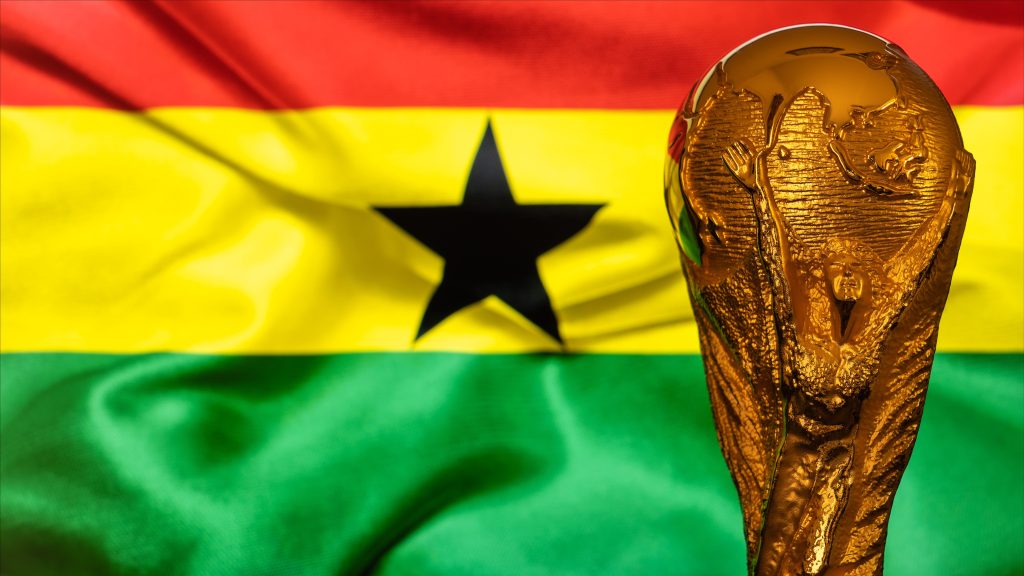
Ghana’s national team is known as the Black Stars, a name taken from the black star on the country’s flag. This symbol represents African freedom and unity, but for many Ghanaians, it also stands for pride in their roots and in the team that represents them.
Ghana’s football style mixes tradition with standout individual talent. The Black Stars have won the Africa Cup of Nations four times: 1963, 1965, 1978, and 1982. This history shapes what fans demand. For them, the World Cup isn’t just a bonus—they expect the team to compete seriously every time.
Many fans still remember Ghana’s 2010 World Cup run. The team reached the quarterfinals and lost to Uruguay in a dramatic penalty shootout, a match people still talk about. That tournament set a new standard for Ghanaian football: calm under pressure, quick on the counter, and able to change a game in minutes.
All this history leads into 2026, when the World Cup will take place in the United States, Canada, and Mexico from June 11 to July 19. For Ghana fans, there’s both excitement and convenience: all group-stage matches are in the U.S. Northeast, making it easier to book flights, find hotels, and plan time between games.
The schedule, the squad, and the simplest way to keep up
Ghana’s group-stage schedule is straightforward. They start against Panama on June 17 at BMO Field in Toronto at 7:00 p.m. Eastern. Then, they play England on June 23 at Boston Stadium in Foxborough, Massachusetts, at 4:00 p.m. Eastern. Their last group game is against Croatia on June 27 at Lincoln Financial Field in Philadelphia at 5:00 p.m. Eastern. All three games are in nearby cities, which is rare for a World Cup.
With all the games close together, planning becomes simpler for everyone. Traveling fans can map out their routes, budget better, and even fit in other activities between matches. Media coverage is more straightforward, and fans at home can keep up with stories, injuries, and lineups without worrying about travel or time zones.
It also helps to know who you’re watching. After Ghana qualify, there are always rumors about new call-ups, but it’s best to focus on the main players from the qualifiers. Under coach Otto Addo, key players like Kudus, Thomas Partey, Jordan Ayew, Antoine Semenyo, and Iñaki Williams have led the team. Kudus usually leads the attack, Partey controls the midfield, and Ayew adds experience and energy.
Backing up these main players is a group that shows how Ghana plans to handle a long tournament. Kamaldeen Sulemana and Joseph Paintsil bring speed and direct play on the wings. In defense, Mohammed Salisu and Alexander Djiku provide stability and handle quick attacks. Abdul Fatawu Issahaku, a young attacker, is a real wildcard who can change a match with just a few touches.
When you watch, notice how Ghana changes its approach from game to game. Their success often comes from being flexible. Against teams that keep the ball, they stay compact, defend hard, and counter quickly. Against teams that defend deep, they use their wide players to create chances. The matchday atmosphere is just as important as tactics. In the stands, fans bring energy with “jama” songs, drumming, and brass bands. This isn’t just for show—it’s a loud, joyful way to set the mood for the match.
Behind the scenes, organized supporter groups help keep the energy alive. The Ghana Supporters Union, started in 2005 before Ghana’s first World Cup in 2006, is a well-known example. For fans living abroad, these groups are a good way to stay informed and join a community. They often set up watch parties, share ticket info, and help with travel plans.
If you want to watch like a local, your location matters. In Ghana, recent tournaments have featured fan parks and busy public viewing centers in cities like Accra, Takoradi, and Kumasi, usually supported by the football federation and sponsors. Plans for 2026 are still being worked out, but these gatherings have already set the standard for a lively, communal way to watch. In North America, TV will still be the easiest way to follow. In the United States, FOX and FS1 will show all the matches, with streaming options available. In Canada, coverage will be on CTV, TSN, and RDS. Once you know your broadcaster, you can also check federation updates, fan accounts, or tournament news as much or as little as you want.
Short videos will also be important during the 2026 tournament. FIFA and broadcasters will share highlights, goals, and key moments on social media. These clips can’t replace watching a full match, but they’re a quick way to catch up on lineups and big moments if you can’t watch the whole game.
No guide to following Ghana is complete without mentioning their biggest rivals, Nigeria—the Jollof Derby. When these two teams meet, it’s about more than football; it’s about deep cultural and regional pride. Even when Ghana plays other teams, this rivalry is always in the background and explains why some matches feel extra important.
If you want a clear way to follow Ghana at the 2026 World Cup, keep it simple. Note the three match dates and cities, learn about the main players from qualifying, and rely on official federation channels for real news instead of rumors. If you do this, following Ghana’s tournament will be easier, more enjoyable, and, with some luck, memorable long after the final whistle.