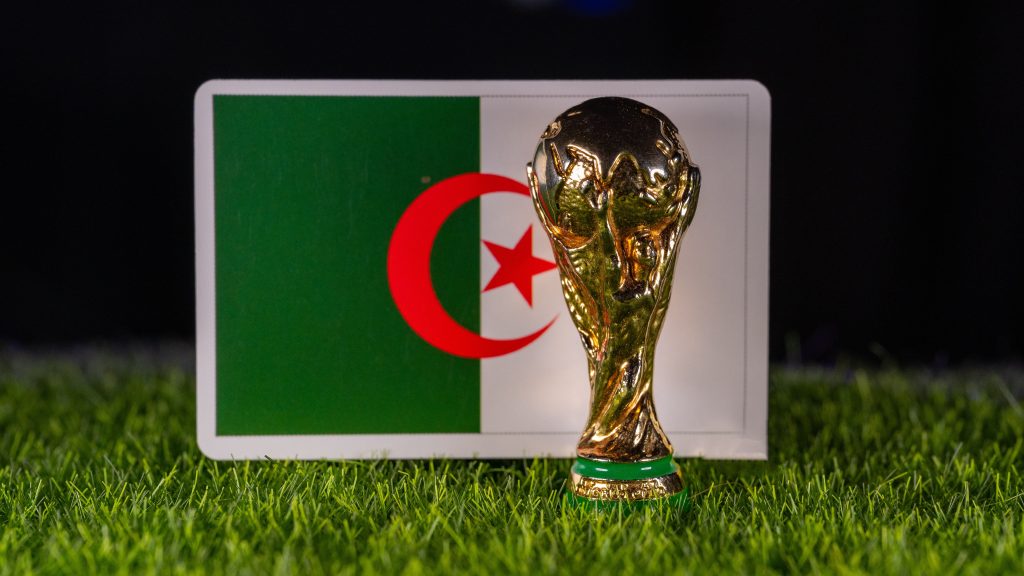
Algeria’s return to the men’s World Cup is already mapped on the calendar. The Final Draw placed them in Group J with Argentina, Austria, and Jordan, and their three group-stage games will be split between Kansas City and the San Francisco Bay Area. The opener is scheduled for June 16 in Kansas City, followed by a June 22 match in Santa Clara, then a return to Kansas City on June 27.
They didn’t just qualify, they did it cleanly. Algeria clinched their place by beating Somalia 3–0 in CAF qualifying, sealing a fifth World Cup appearance and their first since 2014. Riyad Mahrez scored in that clincher, and Mohamed Amoura scored twice.
If you’re building a quick picture of who Algeria are, start with the names. They’re widely known as Les Verts, a nod to the national team’s traditional green, and also as the Fennecs, often rendered in English as Desert Foxes. Those labels show up across federation branding and international coverage, and they’re the simplest entry point into the team’s symbolism.
The deeper story sits underneath the badge. During the war for independence from France, a team affiliated with the National Liberation Front emerged in 1958 and used football as a form of international advocacy. Accounts of that era note that prominent Algerian players who had represented France joined the effort, and that the FLN team played dozens of matches between 1958 and 1962.
Algeria’s modern World Cup narrative has also been shaped by tournament structure and thin margins. In 1982, a result between West Germany and Austria, played after Algeria had already completed its group matches, eliminated Algeria and became closely associated with the push for simultaneous final group games. In 2014, Algeria reached the round of 16 and went out in extra time to eventual champions Germany, a reminder of how close they’ve come when the squad is balanced.
The matches, the players, and the quickest ways to keep up
The practical follow plan begins with the dates and the geography. Algeria’s Group J schedule starts June 16 vs Argentina in Kansas City, continues June 22 vs Jordan in Santa Clara, and finishes June 27 vs Austria back in Kansas City.
Those listings also tell you how your viewing week will feel across time zones. Kansas City is Central Time and Santa Clara is Pacific Time. In June, an 8:00 p.m. kickoff in Kansas City is typically 2:00 a.m. in Algiers, and an 8:00 p.m. kickoff in Santa Clara is typically 4:00 a.m. in Algiers. If you’re following from North Africa, that’s an early-morning tournament.
Venue details matter more than usual in 2026 because so much of the experience is built around stadium districts and official programming. FIFA’s ticketing support materials list Kansas City Stadium at 1 Arrowhead Drive in Kansas City, Missouri, and the San Francisco Bay Area Stadium at 4900 Marie P DeBartolo Way in Santa Clara, California, with tournament capacities published for each site.
If you’re considering travel, the main constraint is distance. Kansas City and Santa Clara are roughly 1,500 miles apart by air and the trip crosses two time zones. The schedule does help, though. Two of Algeria’s three group matches are in Kansas City, so you can base there for the opener and the finale, and treat Santa Clara as a single mid-group trip.
Now the players, which is where a follow guide turns into a team guide. The spine of Algeria’s current era still runs through Mahrez, and not just because he’s the most recognizable name. He scored in the match that clinched qualification, and he remains the clearest indicator of how Algeria want to create chances in tight games.
Amoura is the other name to learn early. He scored twice in the qualifying clincher against Somalia, and his finishing has become one of the simplest storylines to track as Algeria build toward June 2026: when he’s scoring, the team has more than one way to win.
Around them, Algeria’s pool is usually defined by experienced defenders and a midfield that can shift between control and transition depending on the opponent. If you’re following closely, the most useful habit is to track lineup announcements and minutes played in the months leading into the tournament. That’s where you’ll see which partnerships the staff trusts.
If you want to understand Algeria’s cultural identity without slipping into mythology, it helps to focus on documented history and structure. One strand is the independence-era story and the way football was used as international messaging. Another is the national team’s modern talent pipeline, which regularly includes players developed outside Algeria and then integrated into the national setup.
For matchday identifiers, keep it concrete. Algeria are called Les Verts for a reason, and green is the team’s most consistent visual marker. On social platforms, the federation and national team accounts frequently tag posts with #LesVerts and variants of #123VivaLAlgérie, which makes it easy to follow official updates in one searchable thread during the tournament.
That “123” shorthand has a recorded lineage. Writing on Algerian political history has traced the evolution of the slogan into a widely used chant form, tying it back to independence-era messaging and its later adoption in stadium culture. You don’t need to layer on assumptions about crowd behavior to understand why the phrase stays attached to the team.
For day-to-day following, prioritize official channels first, then tournament infrastructure. The Algerian Football Federation runs its own website and official social accounts. FIFA’s association page is a stable reference for staff listings, and it’s often the cleanest confirmation point when details change quickly during international windows.
Watching is simpler than it used to be, at least in North America. The U.S. English-language rights are held by FOX, and Spanish-language coverage is anchored by Telemundo, with streaming options tied to those broadcasters. In Canada, coverage is carried through Bell Media’s TSN, CTV, and RDS. If your audience relies on short-form clips, FIFA has also formalized a major video distribution relationship with TikTok for the 2026 tournament.
“How to watch like a local” works best when it points readers to places that already host soccer nights. In Kansas City, No Other Pub in the Power & Light District is a consistent soccer-centered option tied to Sporting Kansas City’s ecosystem. Local reporting has also documented that Strange Days Brewing has hosted watch parties for major European leagues, including early openings for morning kickoffs. In the South Bay, the San Jose Earthquakes have published official watch party listings that have used O’Flaherty’s Irish Pub. In San Francisco, Kezar Pub is a commonly cited soccer bar and a practical fallback if you’re staying in the city rather than near Levi’s Stadium.
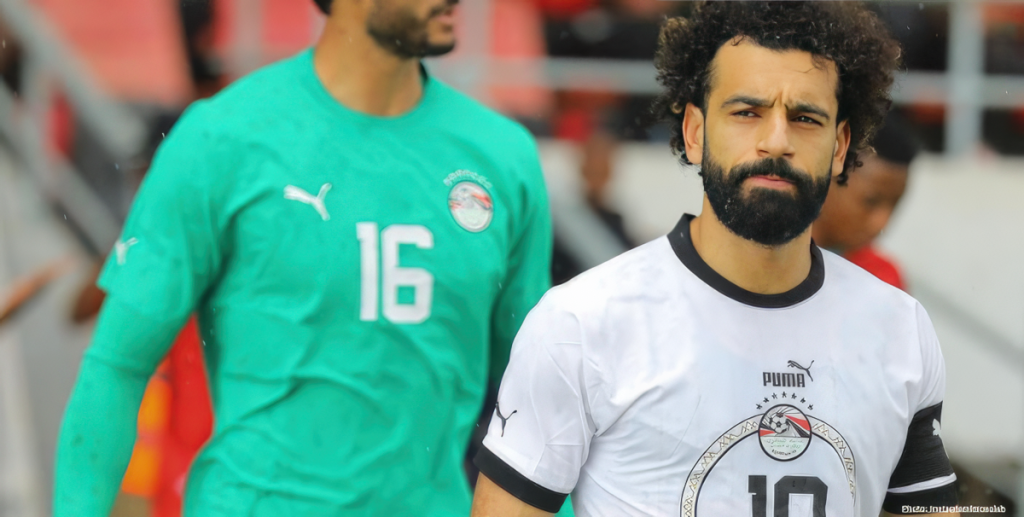
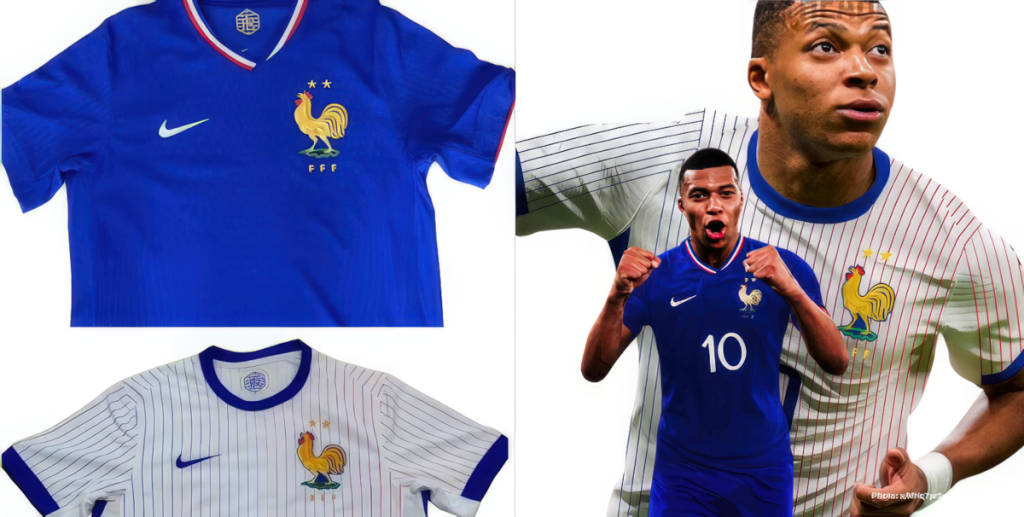
Rivalries are where you need to be precise. You can explain the stakes without assigning emotions to whole populations. With Morocco, the context is political as much as sporting, and the broader Algeria–Morocco relationship has deteriorated sharply in recent years. With Egypt, a major flashpoint remains the 2009 World Cup qualifying cycle, which included reported incidents of violence around team travel. With France, the modern reference point is a 2001 friendly at Stade de France, the first meeting between the countries since Algeria’s independence, which was abandoned after spectators entered the pitch while France led 4–1.
If you’re building an evergreen guide, clarity is the point. Tell readers where the matches are, which official accounts will confirm lineups and ticket updates, which broadcasters will actually carry the games, and which players define the current era. Do that well, and the guide keeps working long after the first match kicks off.