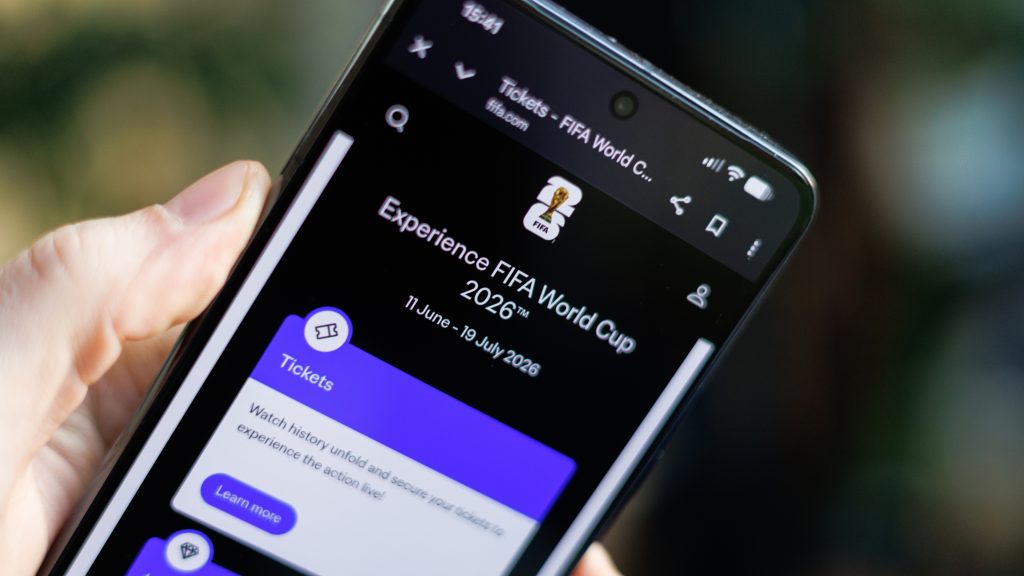
The number attached to Colombia vs. Portugal in Miami was impossible to ignore. A single ticket appeared on FIFA’s official resale marketplace at roughly $11 million. It is the kind of figure that can pull attention away from everything else around it.
What matters is not the number itself, but what it represents. The figure reflects an asking price, not a confirmed transaction, and there is no evidence that any ticket has sold at that level. Even so, the listing offers a clear look at how the 2026 World Cup ticketing system is structured.
Colombia vs. Portugal was also not an arbitrary match for this to happen. FIFA identified it as the most in-demand fixture during the sales phase it detailed in January. Other matches, including Mexico vs. South Korea and the final in New Jersey, followed behind it. The concentration of interest around this game made it a natural pressure point for resale pricing.
The scale of demand has been consistent. FIFA reported more than 500 million ticket requests during one application window, and nearly 2 million tickets had already been sold across the first phases of distribution. Availability has tightened early, long before the tournament begins.
The listing reflects the system, not just the number
Pricing is no longer anchored to a fixed baseline. FIFA has introduced dynamic pricing for the 2026 tournament, allowing primary ticket costs to rise with demand. The highest official seat for the final now stands at $10,990, up from earlier phases of sales.
The resale structure extends that logic further. In the United States and Canada, ticket holders are allowed to list seats on the official platform at any price. Mexico operates under a face-value cap, but the North American markets do not. FIFA also applies a 15 percent fee to both buyers and sellers on completed transactions.
That combination creates a marketplace with no defined ceiling. Prices can reflect scarcity, demand, and speculation without constraint. The $11 million listing sits at the extreme edge, but it fits within the rules that govern the system.
The policy response has already begun to take shape. U.S. lawmakers have asked FIFA to reconsider its pricing approach, and consumer groups in Europe have filed complaints related to ticket costs and resale practices. The focus has shifted beyond individual listings to the broader question of access.
There is also no indication that another group-stage match has matched Colombia vs. Portugal in documented demand. FIFA has consistently identified it as the most requested fixture in the phases it has publicly described.
The listing stands out because of its scale. The more important detail is how easily it exists within the current framework. FIFA has created a ticketing model where demand is global, supply is limited, and resale pricing operates with minimal restriction. The number may look extraordinary. The system that allows it is not.