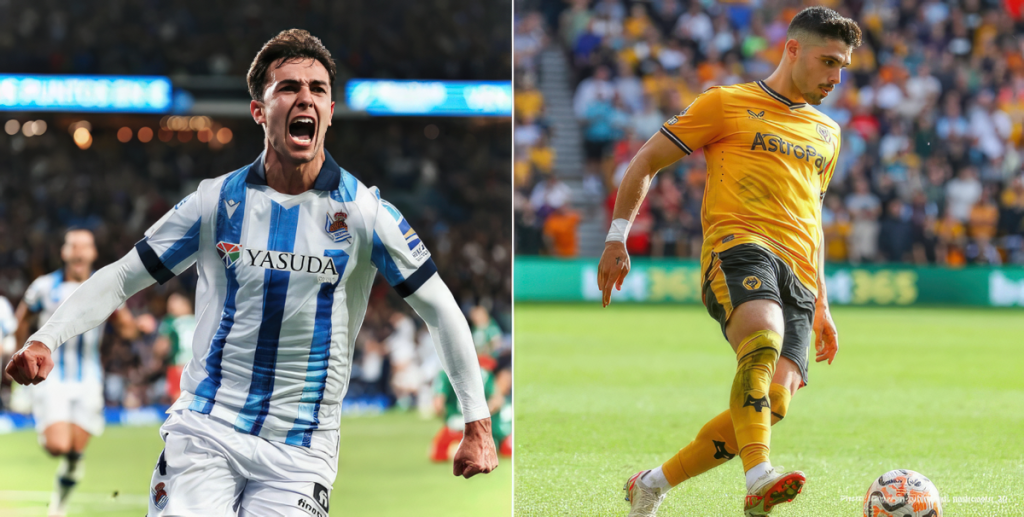
The Ballon d’Or is coming to London for the first time, but the Premier League has a surprisingly short history of producing its winners. The October 26 ceremony at the London Palladium will celebrate 70 years of the award and honor Stanley Matthews, the English winger who received the inaugural trophy in 1956.
Since the Premier League began in 1992, only three of its players have won the men’s Ballon d’Or: Michael Owen with Liverpool in 2001, Cristiano Ronaldo with Manchester United in 2008 and Rodri with Manchester City in 2024. Even as the competition has attracted some of football’s biggest names, its Ballon d’Or record remains modest. The award’s evolving voting rules also make it a very different measure of success from a league title.
Across the award’s full history, Spain leads by a considerable margin. Through 2025, La Liga clubs have won 24 men’s Ballon d’Or trophies, followed by Italy’s Serie A with 18 and Germany’s Bundesliga with nine. England’s top flight ranks fourth with seven, while France’s Ligue 1 and the former Soviet Top League have three apiece. Five other leagues have contributed one winner each.
Four of England’s seven awards came long before the Premier League existed. Matthews won with Blackpool in 1956, followed by Manchester United’s Denis Law in 1964, Bobby Charlton in 1966 and George Best in 1968. Those victories belong to the old First Division era and explain why England’s all-time total is considerably higher than the Premier League’s.
Spain’s lead is even more remarkable when the clubs are separated. Real Madrid and Barcelona have won 12 Ballon d’Or trophies each, accounting for every one of La Liga’s 24. Lionel Messi collected six while representing Barcelona, and Cristiano Ronaldo won four at Real Madrid. Despite that concentration, Spain and Italy have each had 14 different players win the award while representing clubs in their leagues. Spain’s advantage comes from more repeat victories.
How the Ballon d’Or shifted from Italy to Spain
Before Spanish clubs established their modern dominance, Serie A was the center of the Ballon d’Or story. Italian clubs claimed 13 of the 20 awards between 1980 and 1999, a remarkable stretch featuring some of football’s most influential players.
Juventus supplied Michel Platini’s three consecutive victories from 1983 to 1985, along with awards for Paolo Rossi, Roberto Baggio and Zinedine Zidane during that broader period. AC Milan had Ruud Gullit, Marco van Basten and George Weah, while Inter Milan added Lothar Matthäus and Ronaldo Nazário. Serie A’s reputation during those decades was reflected in the concentration of award-winning talent at its leading clubs.
The balance shifted decisively toward Spain in the 2000s. La Liga clubs won 15 of the 20 Ballon d’Or awards between 2000 and 2019, including every trophy presented from 2009 through 2019.
Messi and Cristiano Ronaldo accounted for ten of those 11 consecutive Spanish-club victories, with Luka Modrić interrupting their run in 2018. Their rivalry helped Barcelona and Real Madrid build a lead that no other league has approached. Yet Italy’s 18 trophies remain a reminder that the award’s history hasn’t always revolved around Spain.
There are important limits to these comparisons. The historical totals assign each trophy to the club listed for the winner in UEFA’s records. Messi’s 2021 victory therefore counts for Paris Saint-Germain, while his 2023 award is credited to Inter Miami, even though the performances behind those awards weren’t confined to those clubs. The eligibility rules also changed over time: only European players could win before 1995, and players at clubs outside Europe became eligible in 2007.
The 2026 ceremony offers the Premier League another opportunity. Arsenal have three players on the men’s shortlist in Gabriel Magalhães, William Saliba and Declan Rice. Manchester City’s Erling Haaland and Manchester United’s Bruno Fernandes complete the league’s five nominees. Any of them could become the fourth Premier League player to win the award.
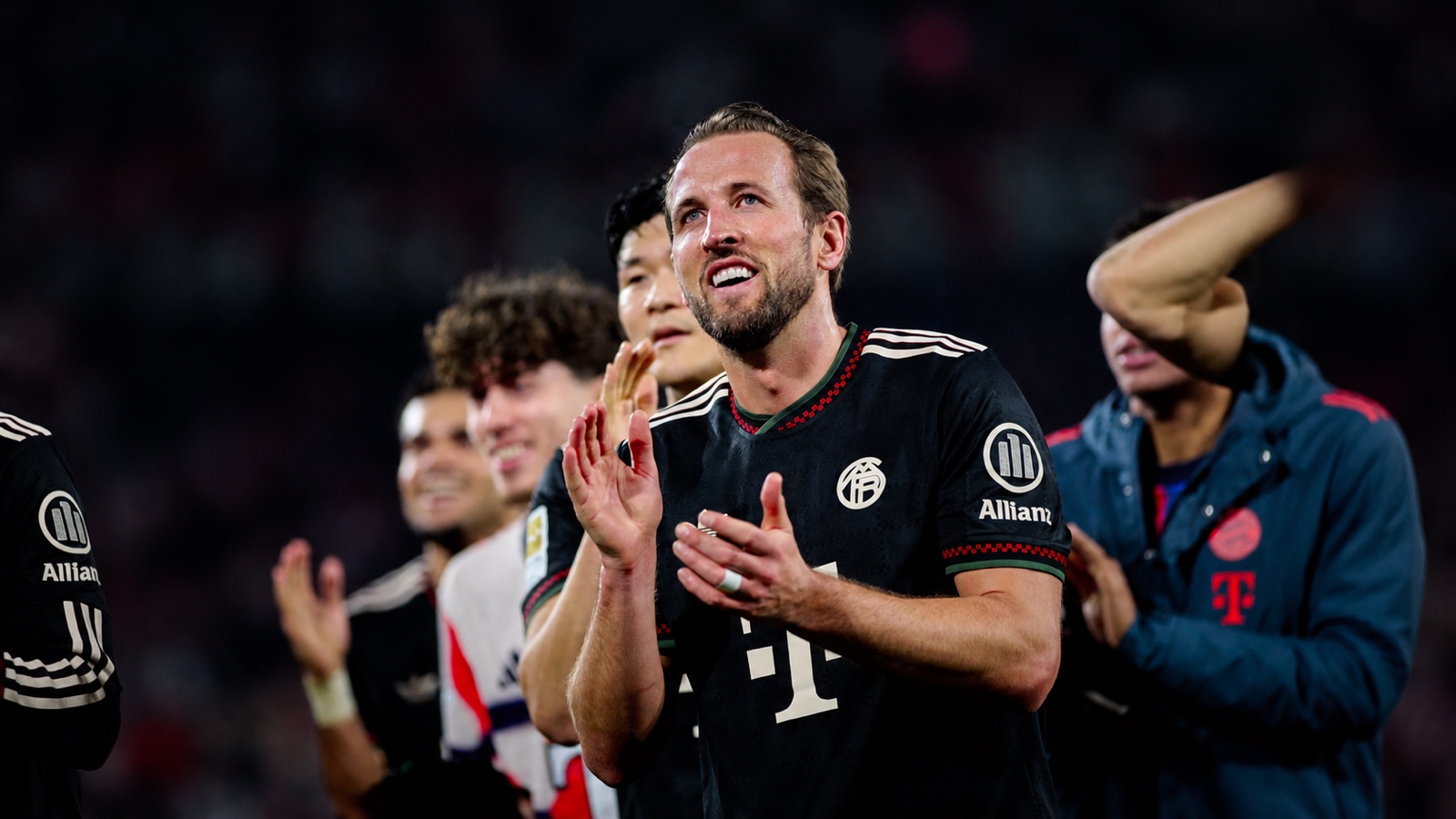
Competition will be fierce, with Harry Kane, Lamine Yamal, Kylian Mbappé and the defending winner Ousmane Dembélé among the other contenders. As explored in Stadio’s 2026 Ballon d’Or power rankings, individual performances and major trophies create different arguments for the leading candidates.
London will provide the stage for a celebration of the award’s English origins. But when the next winner is announced, the Premier League will still be chasing a history shaped largely by Italy’s golden age and the extraordinary dominance of Real Madrid and Barcelona.
View this post on Instagram
View this post on Instagram
View this post on Instagram