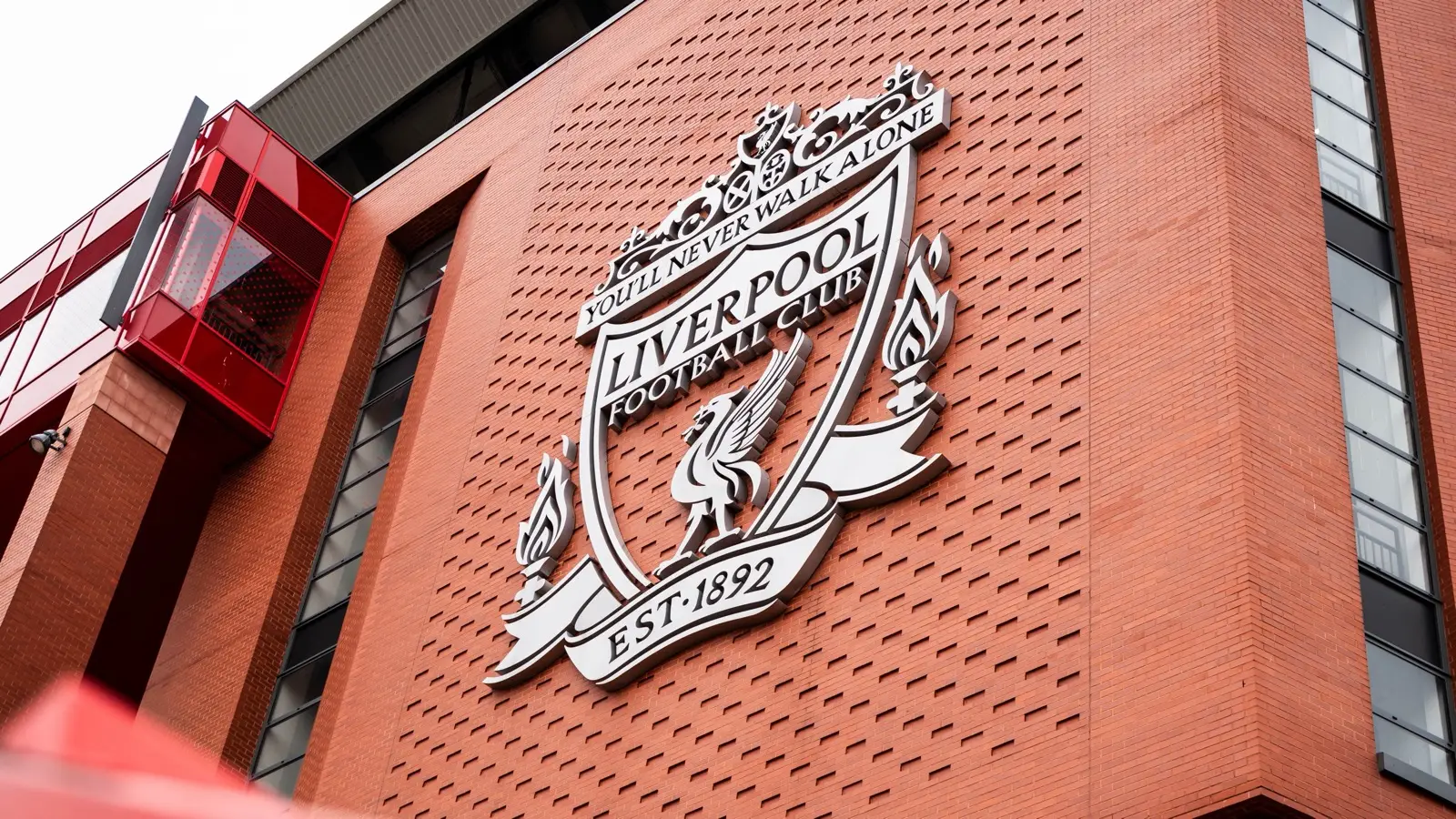
Fenway Sports Group has agreed to sell a minority stake in Liverpool to a consortium connected to fortunes built at Amazon and Facebook. The buyer, 1892 Holdings, is led by Amit Bhatia and backed by the Mittal Family Trusts, K5 Sports and EE Capital, the family office of Elaine and Eduardo Saverin. Jeff Bezos is the lead investor in the K5 Sports fund. FSG will retain majority ownership and operational control.
American capital was already spread across the league before this deal, and it isn’t confined to a few famous owners. U.S. investors appeared somewhere in the ownership structure of 13 clubs from the 2025/26 field, whether as controlling owners, partners or minority shareholders. The public face of that expansion includes American sports stars investing in European football. Much of the money, however, comes from private equity firms, family offices and owners who know the financial machinery of the NFL, NBA, MLB and NHL.
The audience has grown alongside the capital. The 2026 World Cup final drew 62.8 million viewers in the United States across English- and Spanish-language broadcasts, the largest U.S. audience recorded for a soccer telecast. Fox’s English-language group-stage average was 92 percent higher than in 2022. An English club now brings an established worldwide following and a larger American market for sponsorships, preseason tours, media projects and merchandise.
The valuation gap is rooted in risk, not reach. An NFL owner buys a permanent place in a closed league with shared national media income, a draft, a salary cap and no relegation. A Premier League owner buys a club whose broadcast income can fall sharply after one bad season. That volatility suppresses valuations, even when an English club’s history and international audience exceed those of many U.S. franchises. American capital sees both the danger and the discount.
The commercial opportunity meets supporter resistance
Premier League finances show where buyers expect to create value. Commercial revenue rose 13 percent in 2024/25, while matchday revenue climbed 15 percent to a league record, according to Deloitte. Aggregate pre-tax losses also increased sharply, leaving owners under pressure to find income beyond broadcast distributions and player trading. Premium hospitality, sponsorships, stadium events, retail and direct-to-fan media can grow without depending on league position.
The strategy reaches below the Premier League. Tom Brady’s role at Birmingham City shows how a famous American minority investor can become part of a club’s public identity while connecting it to a broader sports and business network. Birmingham entered U.S.-backed ownership outside the top flight, illustrating how an investor can buy into the English pyramid and pursue promotion rather than pay for immediate Premier League membership.
American money travels elsewhere, too. J.J. Watt’s ownership group expanding from Burnley into Espanyol offers one example. England still provides a combination that is difficult to reproduce: private ownership, the highest revenue among Europe’s five largest leagues and a deep supply of recognizable clubs. Germany’s 50+1 rule generally leaves voting control with member associations, while governing control at Barcelona and Real Madrid remains with their members. Ligue 1 revenue fell 15 percent in 2024/25 as Premier League revenue rose 8 percent.
The commercial push can collide with the people who give clubs their value. Nineteen Premier League clubs raised ticket prices for the 2024/25 season, so the issue is not exclusive to American ownership. At Liverpool, FSG became the focus of protests over a proposed multi-year pricing model. Following supporter opposition, the club scrapped that model, retained a 3 percent increase for 2026/27 and froze prices for 2027/28. Manchester United supporters have separately protested the Glazer family’s ownership, rising ticket prices and job losses.
The appeal of English football rests partly on the ways it differs from American sports. Promotion and relegation create volatility, local customs constrain pricing, and clubs carry loyalties that can’t be manufactured. Those features keep financial risk high and global interest intact. The bargain holds only while new revenue doesn’t strip away the loyalties that made the club worth buying.