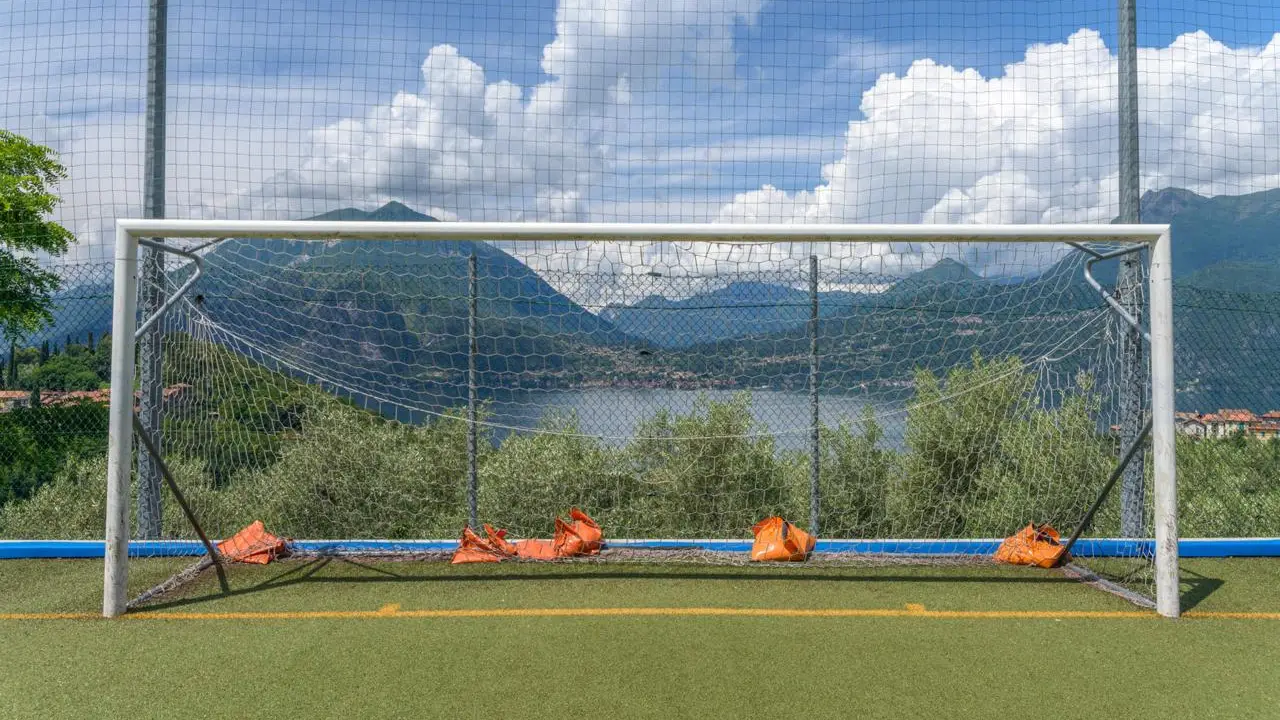
Before Serie A returns to Italy’s landmark football stadiums, it gathers in places better known for ski lifts, hiking trails and cool Alpine evenings. Napoli in Dimaro-Folgarida. Genoa in Moena. Torino and Parma in Pinzolo. Sassuolo in Ronzone. For several weeks each summer, these towns become outposts of clubs based hundreds of miles away.
The Italian word is ritiro, literally a retreat. A preseason ritiro removes players from their home routines and concentrates training, meals, sleep and recovery in one controlled setting. Mountain locations offer cooler conditions, relative seclusion and room for demanding sessions. They also put the team within reach of supporters who may rarely get this close once the competitive season begins.
Five men’s Serie A clubs held 2026 camps in Trentino alone. Napoli returned to Dimaro-Folgarida for the 15th time, with open practices, autograph sessions, friendlies, player appearances and a team presentation built into its 11-day program. Club workouts became public events, while evenings featured films, interviews and entertainment.
One commonly cited starting point comes from Catania in 1934. Under Hungarian coach Géza Kertész, the players lived together beside the construction site of Stadio Cibali, an experiment followed by the club’s first promotion to Serie B.
Kertész later coached Roma before returning to Hungary during World War II. Back in wartime Hungary, he and former teammate István Tóth joined a clandestine network that sheltered Jewish families and protected others from Nazi arrest. Both men were executed in Budapest on Feb. 6, 1945.
When a training camp becomes a football town
Originally, clubs organized the ritiro around control. Its modern public-facing form also functions as a compact tourism season. Genoa’s 2026 stay in Moena included a fan village, friendlies, a town presentation, supporter evenings, youth camps and an official travel partner offering help with transportation and lodging. The field remained at the center of the schedule, but the surrounding valley became part of the experience.
Torino captain Duván Zapata met supporters at the club-store stand before the team’s first friendly in Pinzolo. Napoli’s Dimaro program paired open training and autograph sessions with nightly screenings, friendlies and a team presentation. These weren’t distant preseason exhibitions. Supporters could build a holiday around the club’s daily routine.
The economic exchange also produces measurable results. A Trentino provincial estimate based on 2017 activity put the camps’ annual return at approximately $11.6 million (€10 million), calculated from roughly 100,000 supporter visits across 19 teams and 249 days of training camps. The estimate is dated, but the same commercial structure remains visible in 2026 as public bodies, tourism offices and clubs coordinate accommodation, events, transportation and destination branding.
As a result, that partnership fits Italy’s regional football geography, where cities, provinces and local institutions carry club identity. A ritiro temporarily extends that identity into another place. Moena acquires Genoa colors, Dimaro programs its evenings around Napoli, and Pinzolo welcomes Parma as Torino’s stay ends.
The Alpine retreat in a global preseason
Meanwhile, the Alpine model now shares the calendar with global commercial tours. AC Milan traveled to Australia and Indonesia in 2026. Juventus scheduled stops in Hong Kong and Perth, while Inter moved from a German training camp to Asia. Those trips carry Italian clubs toward international supporters and corporate partners. The ritiro moves in the opposite direction, bringing the club into a smaller space and asking supporters to come to it.
Yet the ritiro isn’t a retreat from business. Hotel rooms, destination rights, ticketed friendlies and fan villages are built into the arrangement. Yet the scale changes the relationship. For a few summer weeks, training becomes the day’s public ritual, and Italian football begins again within walking distance.