
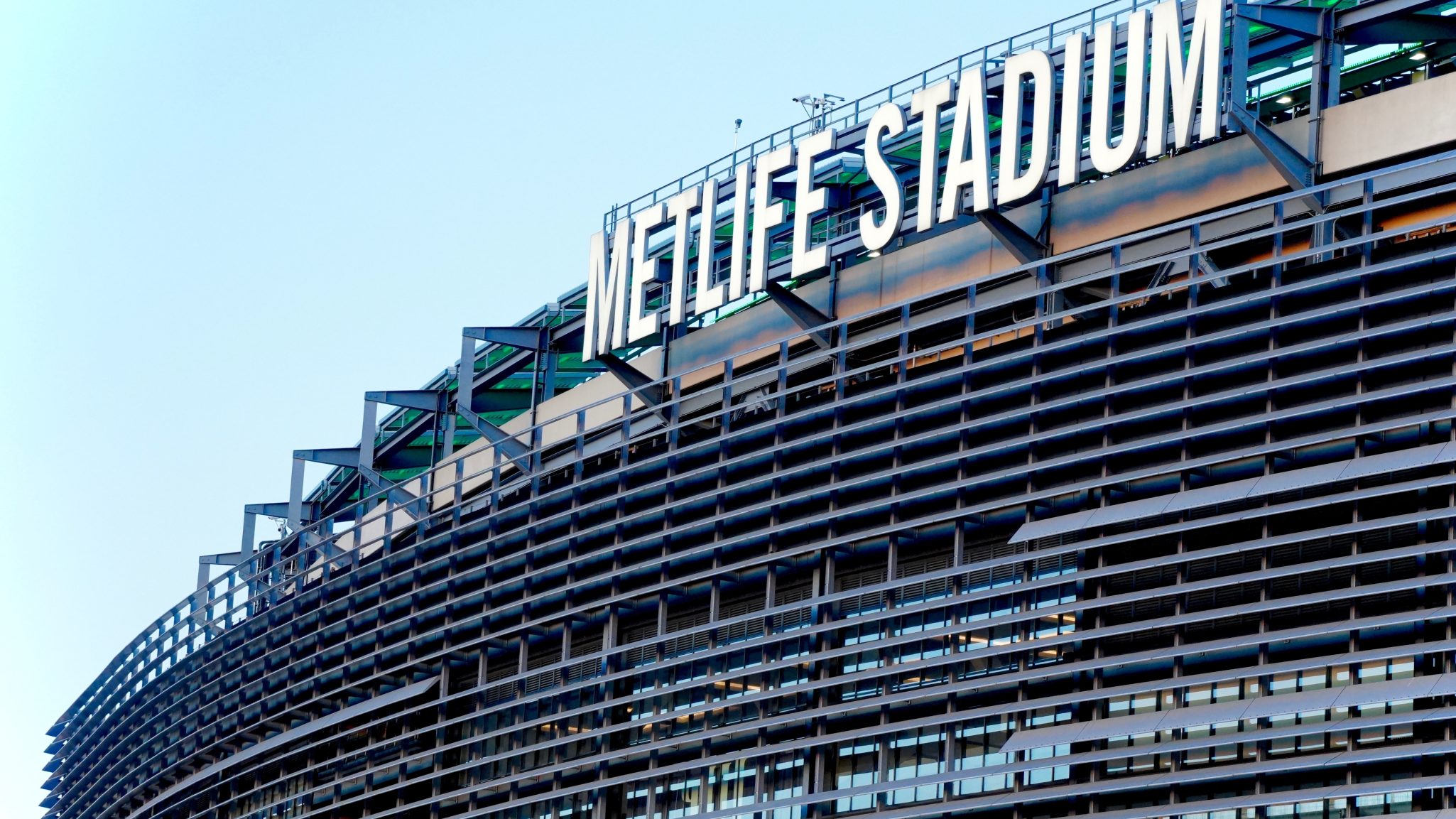
Long before the 2026 World Cup reaches its biggest matches in New Jersey, one of the loudest arguments around MetLife Stadium may center on something far more ordinary than football: the train ride.
The number driving the backlash is simple enough. Reporting this week said NJ Transit is currently planning a round-trip fare of more than $100 from Penn Station to MetLife Stadium for World Cup games. Under normal event-day conditions, that same trip costs $12.90. NJ Transit has stressed that final pricing has not yet been posted, so the figure remains a reported plan rather than an official published fare. But the reaction has been swift because the proposed jump is so stark, and because it fits a broader pattern already taking shape around the tournament.
One clarification matters. The reported fare is tied to the special World Cup event trains, not to ordinary commuter service between Penn Station and Secaucus. That distinction is important, especially for local riders who initially wondered whether the state was about to price everyday rail travel like a premium event. Even with that caveat, the larger picture still points in the same direction. The transportation plan for MetLife is beginning to look like a tightly managed, credential-based system built around the tournament, not a normal stadium commute with slightly higher demand.
Only match ticket holders are expected to be allowed onto Meadowlands rail service for World Cup games. Fans will be funneled through Penn Station according to assigned train windows. Regular riders are expected to lose access to parts of the station for hours before kickoff. In practical terms, public infrastructure is being repurposed into a controlled event corridor, one designed first around security and crowd management, then around convenience.
That is why the backlash goes beyond a fare increase. Supporters are not only reacting to the prospect of paying seven or eight times the usual price. They are reacting to a matchday setup that appears narrower at every step. The train is restricted. The boarding process is timed. The station is controlled. The route in begins to feel less like public transit and more like a managed entry system.
The same pattern appears closer to the stadium. Parking is being handled as a limited, pre-purchased product rather than the looser matchday setup people associate with Giants or Jets games. Whatever the final rulebook says about tailgating, the overall structure leaves little room for the free-form parking-lot culture that usually surrounds a major day at MetLife. The World Cup version looks more like an arrival protocol than a stadium day.
That shift also exposes the political math underneath the dispute. Governor Mikie Sherrill has made clear that New Jersey taxpayers and everyday commuters should not be left to absorb the cost of staging World Cup transport. NJ Transit sources say the agency could face costs of roughly $48 million across the eight matches at MetLife, including the final, once service demands and security requirements are factored in. From the state’s perspective, that is money that should not simply disappear into the operating budget of a public agency.
But once that position is established, the next question becomes unavoidable. If taxpayers are not supposed to subsidize the event, and NJ Transit is not supposed to take a major financial hit, where does the bill go? Increasingly, it appears to land on the fan.
That argument is gaining traction online. Across social media, the reaction has not been limited to sticker shock. The tone has shifted toward disbelief, frustration, and embarrassment. Some people are asking why a public train service tied to a global sporting event is being treated like a premium add-on. Others are arguing that the tournament is beginning to reflect the worst instincts of American event economics, where access is monetized at every checkpoint and the atmosphere around the match is flattened by control, pricing, and security logic.
The comparison with other tournaments only sharpens that reaction. Recent World Cups and European Championships have often treated public transportation as part of the fan experience, something bundled into the journey rather than carved out as a separate premium charge. The model around MetLife appears to be moving in the opposite direction. It points toward a World Cup where the host region’s infrastructure is available, but only on stricter terms and at a much higher price.
That tension is hard to ignore because FIFA’s role in the tournament is so financially dominant. The governing body benefits from the commercial scale of the event, while host regions are left handling many of the transport, security, and operations demands that make the spectacle possible. When those local costs rise, the pressure does not disappear. It moves downward, toward commuters, taxpayers, fans, or some combination of all three.
So the fight around MetLife is about more than transportation or price. It is about access. It raises a basic question about what kind of World Cup the United States is presenting to supporters, especially in one of the tournament’s centerpiece markets. If attending a match means navigating a heavily restricted station, paying event-level rates for rail service, securing tightly controlled parking, and giving up much of the spontaneity that usually defines an American stadium day, then the cost of attending begins to feel larger than the ticket itself.
Before a ball has been kicked at MetLife, access has already become part of the World Cup debate.