
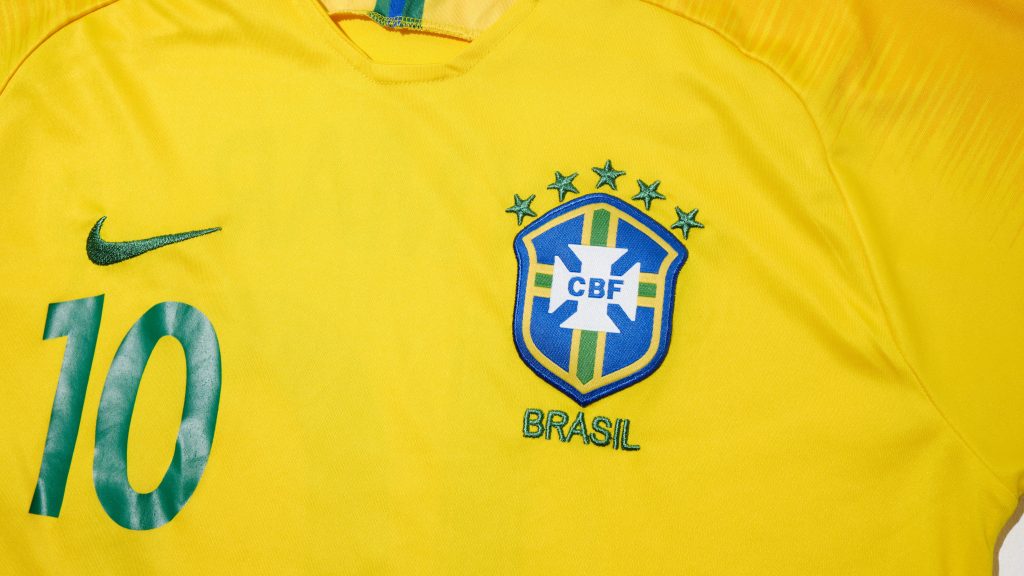
Nike’s 2026 World Cup rollout was meant to project technical progress. In March, the company introduced a new wave of federation kits built around Aero-FIT, a cooling system designed for the heat and physical strain expected at the 2026 tournament.
That framing is what makes the flaw stand out now. A visible shoulder-seam bulge has pulled attention away from Nike’s performance story and toward the way the shirt actually sits on the body. The issue is noticeable enough to alter the upper silhouette of the jersey across the shoulder and chest.
Nike’s own launch language sharpens the contrast. Aero-FIT was presented as the brand’s most advanced cooling apparel system, built at the yarn and stitch level to improve airflow in hotter conditions. The company also stressed that the visual identity of each kit was engineered into the construction itself rather than layered on afterward. In that setting, even a localized construction problem carries more weight than it otherwise would.
The awkward part is that a World Cup shirt is never judged on function alone. These kits live in a space where elite sport, national identity, and premium product design all overlap. They have to perform, but they also have to look right on players, in photographs, and on retail racks where fans are asked to pay top-tier prices.
A launch built on innovation now faces a finish problem
The larger issue is timing. The 2026 men’s World Cup opens on June 11, leaving limited room for redesigns, production changes, or a wider retail correction if Nike decides any adjustment is needed. That does not automatically make this a tournament-level crisis, but it does raise the stakes around what might otherwise be dismissed as a narrow construction defect.
It also points to a broader tension in modern kit design. The more aggressively brands push technical innovation into elite tournament shirts, the more they risk introducing new points of weakness. Aero-FIT was sold as a next-generation platform, not just a visual refresh. If a seam or transition line becomes visibly unstable, the conversation shifts from ambition to execution.
That shift has a brand cost. A World Cup kit launch is one of the most visible product moments in football. It is where engineering, aesthetics, federation identity, and commercial value all meet. When a release is positioned as a premium technical leap, the tolerance for visible imperfection gets much smaller.
For now, the clearest conclusion is simple. Nike built its 2026 World Cup kit story around performance innovation. One visible flaw has complicated that message at exactly the moment these shirts were supposed to signal precision, confidence, and readiness for the biggest stage in the sport.