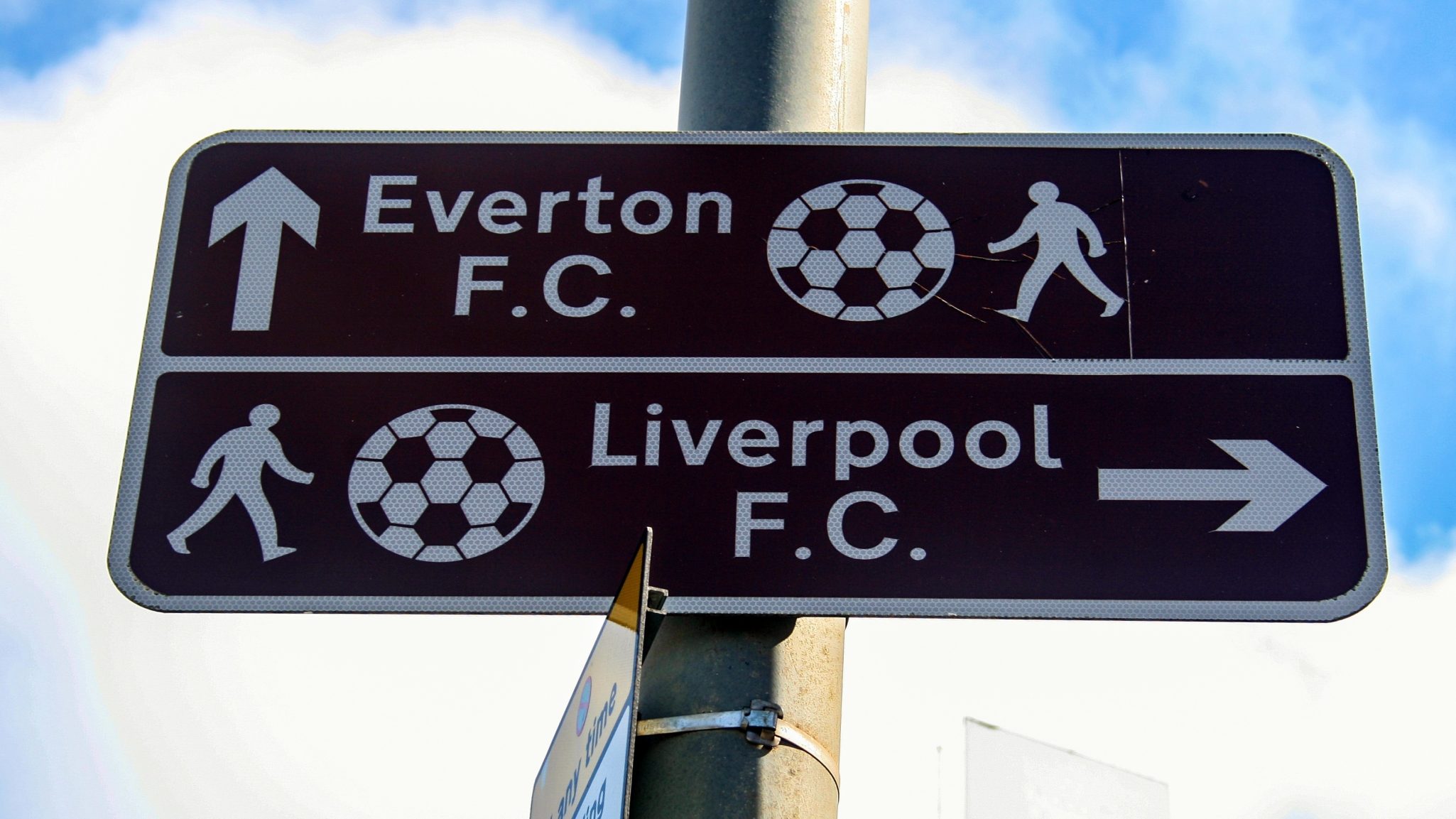
Some derbies grow out of distance. This one grew out of proximity.
Everton and Liverpool emerged from the same civic space, and in a literal sense from the same football story. Before Liverpool existed, Everton played at Anfield. In 1892, a dispute involving club control and the future of the ground pushed Everton away from Anfield and toward what became Goodison Park. John Houlding, left with a stadium but no team, founded Liverpool FC to fill the gap.
That beginning is what makes the Merseyside Derby different from many other rivalries in England. This is not simply a contest between two clubs from the same city. It is a rivalry born from a separation, with one institution leaving and another taking shape in response. The split happened in 1892. The first league derby followed on October 13, 1894, when Everton beat Liverpool 3–0 at Goodison Park.
For more than a century, the geography reinforced the feeling. Goodison Park and Anfield stood on opposite sides of Stanley Park, close enough that the rivalry never needed mythmaking. It was built into the map. Families, neighborhoods, and routines were shaped around two stadiums that shared a city and contested its football identity every season. That physical closeness helped give the fixture its long-running label as the “friendly derby,” even if the matches themselves rarely behaved that way.
The friendlier reputation has always existed alongside something sharper. By October 2023, the Premier League had recorded 23 red cards in the fixture, the most in any Premier League matchup. The derby’s public image has often rested on shared civic identity. Its football has usually told a harder story.
From Goodison’s farewell to a new waterfront era
The rivalry’s modern history added another layer in February 2025, when Goodison Park staged its final Merseyside Derby. Everton’s 2–2 draw with Liverpool closed a remarkable chapter. It was the 120th and final derby at Goodison in all competitions, and the all-time derby record at the ground finished perfectly balanced: 41 Everton wins, 41 Liverpool wins, and 38 draws. Few stadiums could leave the rivalry with a tidier piece of symmetry.
That result also sharpened the sense that the derby was moving from one historical frame into another. Goodison had been Everton’s home since 1892. Its loss from the men’s fixture changed the visual language of the rivalry, even if it did not change the rivalry itself. Everton’s move to Hill Dickinson Stadium at Bramley-Moore Dock placed the club in a new part of the city and gave the derby a different skyline. The new stadium holds 52,769.
The first Merseyside Derby at Hill Dickinson Stadium arrived on April 19, 2026, and it immediately added another late turn to the fixture’s history. Liverpool won 2–1 after Mohamed Salah opened the scoring, Beto equalized, and Virgil van Dijk headed the winner deep into second-half stoppage time. It was a reminder that while the setting has changed, the derby’s basic structure has not. It still produces matches that feel compressed by history, place, and consequence.
What endures, more than any single scoreline, is the rivalry’s unusual architecture. Everton came first. Liverpool followed because Everton left. The clubs developed into separate institutions with separate ambitions, but the split never erased the shared origin. That is why the Merseyside Derby still feels distinct from other English rivalries. It is a contest between two clubs that represent different inheritances from the same story.
The present only adds to that. Goodison has stepped back from the men’s derby stage. Hill Dickinson Stadium now carries Everton forward. Liverpool, meanwhile, entered 2025 chasing an early title triumph while continuing to shape the modern balance of power in the city. Yet the deeper significance of Everton against Liverpool remains historical before it is contemporary. It is football’s rare rivalry in which the act of separation created both sides of the feud.
That is what makes it one of the game’s most compelling derby cities. Not just one city divided, but one football story that never stopped arguing with itself.